Formula 1 on the Brink of Change: A Look at the Upcoming Discussions on Energy Management Regulations
As Formula 1 embarks on a month-long pause from the adrenaline-pumping races, the key stakeholders within the sport are set to engage in significant discussions aimed at refining the somewhat controversial 2026 energy management regulations. This period of reflection and dialogue comes at a pivotal time, as the initial races in Australia, China, and Japan have provided valuable insights into the impact of these regulations on the thrilling world of motorsport.
Recent race weekends have showcased an exciting evolution in Formula 1, marked by increased overtaking and an overall more dynamic racing experience. However, this new era has not come without its challenges and criticisms. Concerns over driver safety, the spectacle of qualifying sessions, and a philosophical debate regarding the control and influence of technology in racing have sparked a lively discourse among fans and drivers alike.
The Upcoming Technical Meeting: What to Expect
This Thursday, a technical meeting will take place in London, where a multitude of proposals will be put forward for discussion. Stakeholders will aim to address and refine the energy deployment regulations to enhance both the excitement of the sport and its authenticity. At the heart of these discussions is the growing discontent among drivers and a dedicated segment of the fanbase regarding the influence of the current energy management system on the qualifying process.
Traditionally, qualifying has been seen as a pure test of driver skill and car performance. However, under the current regulations, it has become increasingly dominated by the capabilities of complex power unit algorithms. These systems dictate how much energy a driver can deploy during a lap, often penalizing those who push hard through faster corners by limiting energy availability on subsequent straights. This unintended consequence has led to a significant shift in the dynamics of qualifying, frustrating both drivers seeking to showcase their skills and fans hoping to witness thrilling performances.
The Agenda for Change
One of the primary focuses of the upcoming discussions will be to devise adjustments to the energy deployment strategy during qualifying. Meeting participants will explore options such as reducing the electric energy component of the power units or altering the timing of battery charging. The overarching goal is to restore the element of driver skill and enjoyment that many feel has been compromised by the existing regulations.
It is essential to note that this meeting marks the beginning of a series of discussions that will extend until the Miami Grand Prix in May. Expectations for immediate changes should be tempered; this initial gathering is intended to generate concrete proposals from technical experts that can later be debated. A follow-up meeting on April 20 will include teams and F1 executives to ensure a well-rounded approach before any decisions are made, culminating in an electronic vote to ratify any proposed changes.
These innovations are expected to be trialed from the Miami Grand Prix onward, with subsequent data collection throughout the season, allowing for further refinements if necessary during the summer break.
Safety Concerns in Focus
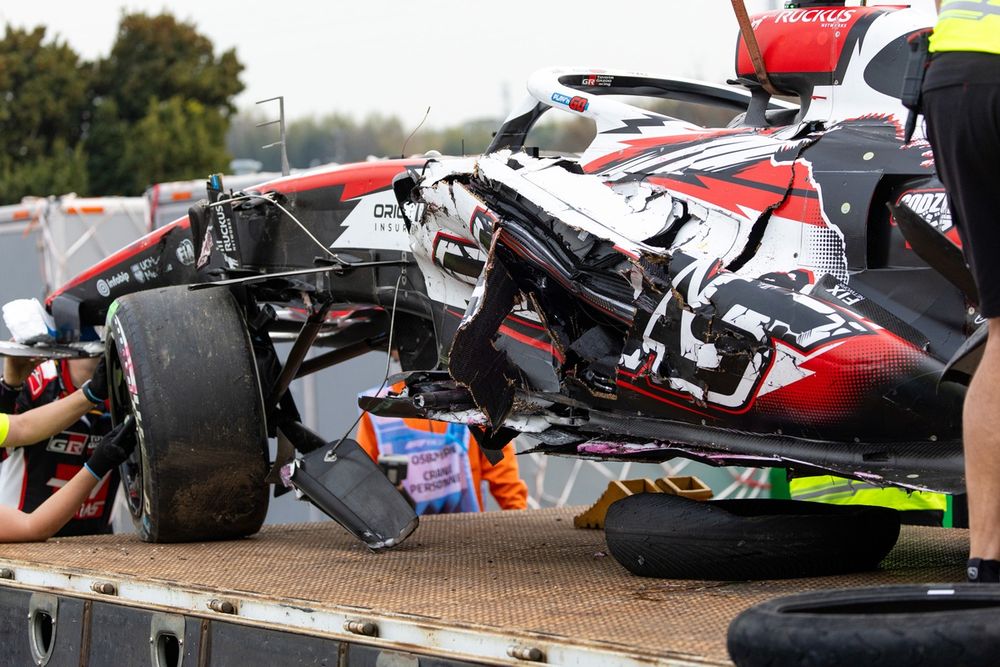
Safety, a perennial concern in motorsport, has re-emerged as a critical topic following recent events. Despite initial races proceeding without major safety incidents, the discussion was reignited after Haas F1 driver Oliver Bearman suffered a harrowing 50G crash in Japan while avoiding a collision. This incident has formally brought safety back into the spotlight, leading industry leaders, such as McLaren’s team principal Andrea Stella, to emphasize the urgency of addressing safety implications that accompany the newly introduced regulations.
The FIA, as the governing body of the sport, holds significant sway regarding safety-related changes. While it can implement adjustments unilaterally if there is no consensus among teams, the discussions thus far indicate a shared understanding that adjustments are necessary. The challenge lies in balancing safety considerations with the drivers’ desire to compete effectively.
Managing Expectations within the Sport
For those hoping for a significant overhaul of the current regulations in the near future, disappointment may loom. Fundamental hardware changes are unlikely to materialize at this stage, given the considerable investment teams and manufacturers have made to optimize their power units in line with existing regulations. Any comprehensive changes will likely be postponed until the end of the season.
Moreover, an overarching philosophical discussion is warranted regarding the balance between driver skill and machine influence within the new framework. The evolving nature of this dialogue suggests that the fascinating interplay between human and technology in Formula 1 remains a topic of exploration, though immediate discussions may focus on more pressing matters.
Conclusion
As the world of Formula 1 shifts gears in anticipation of the upcoming discussions surrounding its energy management regulations, the excitement mixes with the need for reflection. The sport stands at a crossroads, with passionate voices from both within and outside the paddock advocating for a balance between innovation and the essence of racing.
This month-long hiatus offers a critical opportunity for stakeholders to re-evaluate and adjust regulations that will ultimately shape the future of Formula 1 racing. As the dialogue unfolds in London, fans worldwide will be watching closely, hoping for a return to the thrilling, skill-driven spectacle that has defined the sport for decades.
In this time of potential transformation, one thing remains clear: the spirit of competition and the love for racing continue to drive the heart of Formula 1, ensuring that the pursuit of excellence pushes the boundaries of both technology and human performance.