Porsche Penske Motorsport: Navigating Team Orders in IMSA Racing
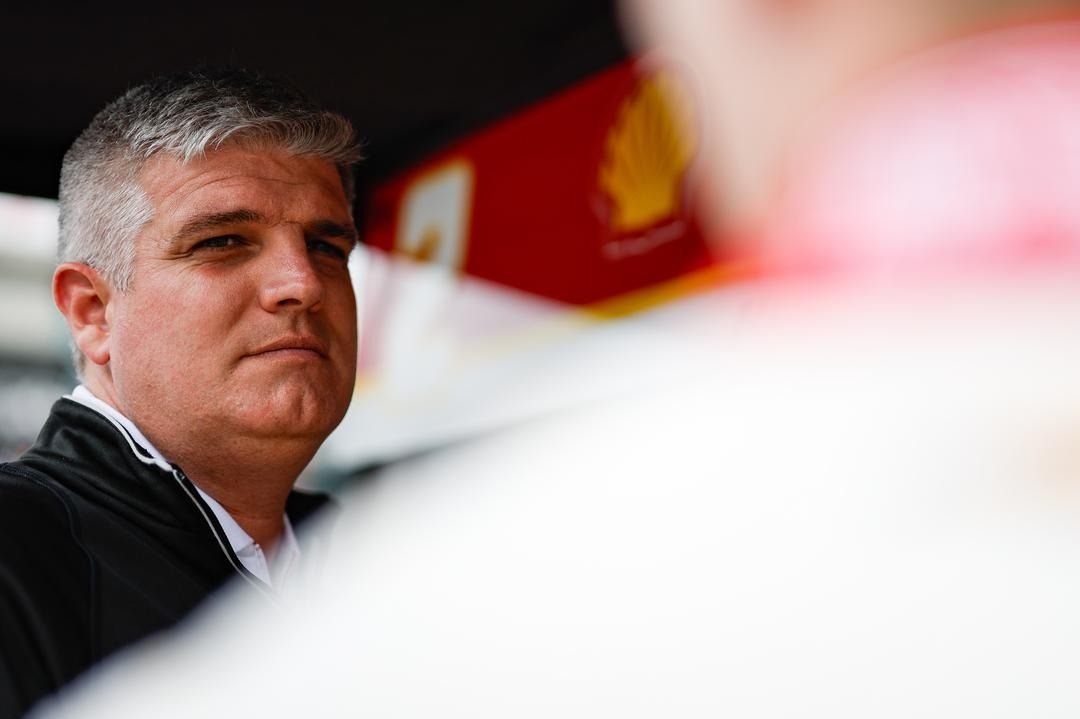
In the intricate world of motorsport, team dynamics often prove as pivotal to success as speed and skill on the track. Recently, Porsche Penske Motorsport (PPM) found itself in the eye of a storm when tensions flared following the Mobil 1 Twelve Hours of Sebring. Jonathan Diuguid, the President of Team Penske, has stepped forward to clarify the team’s stance on team orders, assuring fans and stakeholders alike that PPM intends to continue employing such strategies moving forward, regardless of past controversies.
At the Sebring race, PPM not only showcased its prowess by securing a stunning 1-2 finish, but the aftermath brought to light significant discussions regarding team dynamics. The post-race press conference revealed underlying tensions, particularly when driver Kevin Estre expressed dissatisfaction towards teammate Felipe Nasr. Estre accused Nasr of disregarding team orders during a critical moment in the race, raising questions about the effectiveness and future of team orders in the sport.
In a media call organized by Porsche, Diuguid addressed these challenges head-on, emphasizing the necessity of team orders in competitive racing environments like IMSA (International Motor Sports Association). “Absolutely,” he affirmed when asked if the team would modify its use of orders. “Every single manufacturer in the Sebring 12-hour has employed team orders,” he noted, pointing to instances when other brands, such as Cadillac and BMW, strategically swapped positions to optimize their placements.
This acknowledgment from Diuguid reinforced a broader tenet of motorsport: strategies designed to ensure one car finishes ahead of another, regardless of driver rivalries, are commonplace. “Ultimately, our goal is to make sure our Porsche ends up first, and we’re going to do whatever it takes to achieve that,” he asserted decisively, highlighting the competitive nature of the sport.
Amidst the fallout from Sebring, Julien Andlauer, who co-drives with Nasr in the #7 Porsche 963, provided insights into the resolution efforts within the team. Andlauer revealed that a collaborative meeting took place after the race to address concerns and foster communication among team members. “We all came together, articulated our points of view, and laid down some basic ground rules, emphasizing the importance of mutual respect,” Andlauer remarked.
This proactive approach emphasized by both Diuguid and Andlauer illustrates a commitment to maintaining positive intra-team relationships while navigating the complexities of competitive racing. The notion that internal matters should remain internal was underscored, with Andlauer noting, “Some people made mistakes,” stressing that accountability would be essential to prevent similar issues in the future.
Diuguid elaborated further, sharing insights into the structure of the discussions that unfolded after Sebring. “We looked at all levels of the team—from driver interactions to engagements among management and strategists—to identify what worked well and what didn’t,” he explained, indicating a thorough analytical approach to enhancing team performance.
It was essential for the team to come away from the meeting with a unified understanding of expectations and responsibilities on the track. After what could have been a challenging period, Diuguid assured that “there are no existing hard feelings.” The team collectively recognized that team orders are a fundamental aspect of racing, intertwining with the very fabric of motorsport culture.
In the lead-up to the Acura Grand Prix of Long Beach, Diuguid expressed a desire to replicate the competitive spirit that saw PPM finish in a commanding position at Sebring. “I hope we will again be in a position where we are contemplating which one of our PPM cars will finish first,” he stated, indicating both ambition and a focus on continuous improvement within the organization.
As the motorsport community eagerly anticipates the next race, discussions surrounding team orders are likely to linger. The conversation isn’t merely about tactics; it emphasizes the interplay of strategy, competition, and camaraderie, illustrating how teams navigate the pressures of high-stakes racing environments.
Moreover, the incident at Sebring serves as a salient reminder of the human element inherent in the sport. High-performance racing is not solely about machines and time trials; it’s also about individuals—drivers, engineers, strategists—coming together to strive for excellence. The intricacies of these relationships can significantly impact a team’s overall performance, showcasing a delicate balance between competition and teamwork.
In closing, PPM’s reaffirmation of its commitment to team orders reflects a broader reality in racing: success often requires calculated decisions that may not always align with individual aspirations. With the leadership of Jonathan Diuguid and the collaborative spirit fostered among drivers and management, Porsche Penske Motorsport stands ready to tackle the challenges ahead, embodying the relentless pursuit of victory in the exhilarating world of motorsport. The excitement leading into the Acura Grand Prix of Long Beach is palpable, as fans, teams, and drivers alike prepare to witness the next chapter in this storied competition.