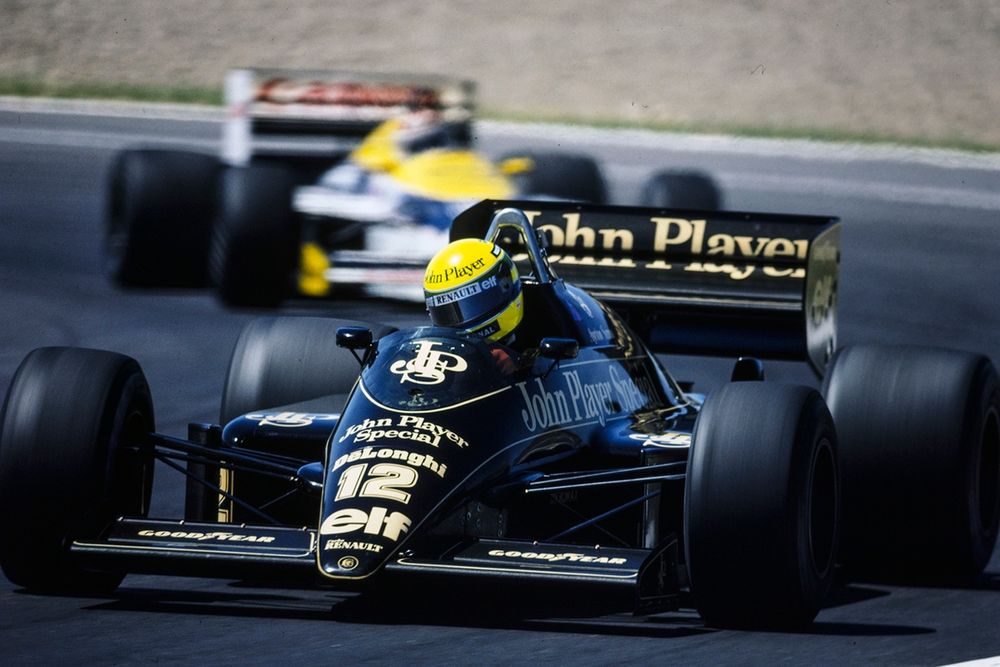
Ayrton Senna’s Iconic Victory at the 1986 Spanish Grand Prix
On April 13, 1986, motorsport history witnessed one of its most thrilling moments as Ayrton Senna clinched Formula 1’s third-tightest victory at the Spanish Grand Prix. The race concluded with Senna crossing the finish line just 0.014 seconds ahead of British driver Nigel Mansell, creating an unforgettable climax that cemented this race in F1 lore.
A Thrilling Start at Jerez
The race took place at a newly unveiled Jerez circuit, which had only been operational for four months prior. This grand prix marked just the second major event held at the track, contributing to its immediate mystique. The 1986 Formula 1 season was beginning to take shape, and this race was crucial in setting the tone for what would become an intense battle for the championship.
The grid at the Spanish Grand Prix saw notable drivers struggling. Reigning World Champion Alain Prost and his McLaren teammate Keke Rosberg found themselves starting from the back of the field, after qualifying outside the top three rows. Both faced engine failures at the season opener in Jacarepaguá, setting a stage for home heroes to showcase their skills. Brazilian drivers Nelson Piquet and Senna emerged as frontrunners, clinching a remarkable 1-2 finish for Williams and Lotus, respectively, in the previous race.
A Grip on the Race
As the lights went out at the Jerez circuit, the competitive atmosphere intensified. Senna, Piquet, and Mansell once again captured the top spots in qualifying; however, it was Senna in the Lotus 98T who proved his prowess, edging out the competition with an impressive eight-tenth lead in lap times. As the race unfolded, the dynamics shifted, reflecting the unpredictable nature of motorsport.
By the halfway mark, Senna held a slender lead over Mansell, who had initially faltered due to concerns about fuel consumption but had managed to fight back into a strong second position. As they sped through the track, Piquet, Prost, and Rosberg followed closely behind, their gaps ranging from five to seven seconds. The spectators were treated to a captivating duel, with strategies and tire choices playing pivotal roles in determining the race’s outcome.
The Final Showdown
With just a few laps remaining, the tension elevated. Senna’s strategy became crucial as Mansell, seeking to capitalize on any opportunity for the lead, had to pit due to excessive tire wear. As Mansell rejoined the race, he found himself trailing by over 20 seconds with just nine laps left. Unrelenting in his pursuit, Mansell rallied and closed the gap at an impressive pace, culminating in a nail-biting chase on the final lap.
Reflecting on the experience, Senna recalled, “From the green light to the flag, there was no time to think of anything else apart from driving as quickly as possible.” His focus on maintaining control and composure was evident as he navigated the final corners of the race. Meanwhile, Mansell’s comeback sent shudders of excitement through the crowd as he approached Senna with nothing but determination in his eyes.
As the two cars approached the finish line, Mansell made a determined bid for the lead, but Senna, demonstrating masterful defensive driving, managed to fend him off by a whisker, clinching his third career victory in a feat that would be recounted in the annals of racing history.
A Remarkable Achievement
Post-race, both drivers expressed their admiration for one another, highlighting the respect borne from fierce competition. Mansell humorously remarked, “I’ve never worked so hard in my whole career. It was so close I think they should give us seven-and-a-half points each,” indicating the race’s unprecedented intensity. In 1986, a victory was worth nine points, while a second-place finish garnered six points.
This narrow margin made it evident that Senna’s win was not just a personal triumph but a significant moment that added to the rich tapestry of Formula 1 history. The 1986 Spanish Grand Prix became the second-tightest finish in F1 history, only surpassed by the legendary 1971 Italian Grand Prix, where Peter Gethin narrowly emerged victorious over Ronnie Peterson by a mere 0.01 seconds.
The Ripple Effects of the Season
The implications of this race would echo throughout the 1986 season, as Mansell would ultimately lose the championship to Prost by a mere two points—an incredibly small margin, particularly when considering the points lost to Senna at Jerez. Moments like these underscore the unpredictable and often dramatic nature of Formula 1, where a single race can have lasting ramifications on the championship standings.
As the season progressed, the rivalry between Senna and Prost strengthened, setting the stage for one of the fiercest battles in motorsport history. Their encounters were filled with tension, skill, and the kind of passion that continues to attract fans to the sport today.
Conclusion
Ayrton Senna’s victory at the 1986 Spanish Grand Prix remains an exhilarating chapter in the history of Formula 1. It exemplifies the grit and determination that are hallmarks of the sport, capturing the imaginations of fans around the globe. The strategic depth, emotional highs, and near impossibility of predicting outcomes made this race not just a competition but a story of relentless pursuit, respect among rivals, and the relentless drive for excellence. As we reminisce about this storied day, we are reminded that in racing, every second counts and every victory, particularly one as close as this, tells a tale worth retelling.