Formula 1: The Evolution of Regulations and the Essence of Racing
Formula 1 is a sport that epitomizes speed, precision, and cutting-edge technology. Every few years, however, the serene world of high-speed racing is jolted awake by a wave of new regulations. With each new set of rules comes a mix of excitement, adaptation, and sometimes, discontent. Drivers often voice their struggles with handling the latest machinery, teams grapple with the technical challenges introduced, and fans reminisce about the simplicity and thrill of previous eras. But amid this cyclical change, one compelling question lingers: What is the essence of Formula 1?
The Impact of Changing Regulations
As the sport embarks on another transformative phase with its latest regulatory changes, the reactions from drivers echo sentiments heard in the past. Some drivers express frustration over the complexities of energy management, while others feel they are more ‘managing systems’ than racing in a traditional sense. Yet, history provides valuable context: significant rule changes—whether to boost safety, compete with technological advancements, or respond to environmental concerns—are not uncommon. In fact, they often symbolize the heartbeat of Formula 1.
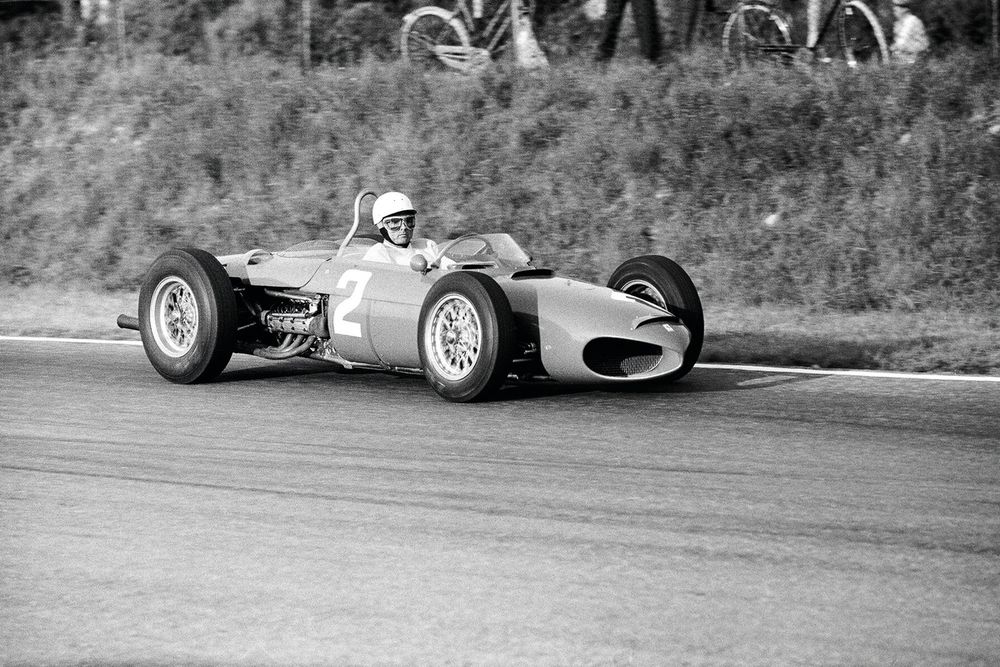
The sport has long demonstrated an inherent resistance to stagnation, valuing progress over nostalgia. For instance, the introduction of 1.5-liter engines in 1961 drastically shifted the power dynamics, leaving established teams and champions struggling to adapt. Similarly, the flat-bottom regulations of the 1980s compelled a rethinking of aerodynamic strategies, teaching drivers to navigate tracks using entirely new racing lines.
Then, in 1998, narrower cars and grooved tires were implemented, altering handling characteristics significantly. Most recently, the hybrid era that began in 2014 integrated complex power units, redefining race strategies and driving approaches. Each progression cultivates a landscape of winners and losers, driving an evolutionary spiral of adaptation and performance.
A Historical Perspective: Turbocharged Turmoil
A prime example of the wrestling match between innovation and driver sentiment occurred during the turbocharged engine revolution in the early 1980s. Turbo engines offered unprecedented power, with some qualifying units reportedly producing well over 1,000 horsepower. However, the sheer might came at a cost. Turbo lag meant drivers had to master the ability to control surges of power that appeared suddenly and unexpectedly, often leaving seasoned drivers overwhelmed.
Interestingly, while the younger and less experienced pilots seemed to excel with this change, veterans like Elio de Angelis criticized the reliance on tactical calculations rather than pure racing intuition. He noted that managing turbo boost, fuel consumption, and power delivery conflicted with the raw instincts that define competitive racing. Niki Lauda echoed this sentiment, asserting that the disjointed sequences of movement during qualifying challenged the very essence of driving.
This era, while tumultuous, spotlighted a pressing question that still resonates: Are we losing the core of what racing is meant to be in the relentless pursuit of innovation and performance?
Facing the New Generation
Regulatory upheaval often ushers in generational shifts within the sport. As new rules come into play, they create a delicate balance of adaptation, leaving veterans at a disadvantage while fresh talent capitalizes on new technologies. In recent years, the introduction of advanced hybrid systems and energy management strategies requires a different skill set, challenging experienced drivers who have spent years mastering more traditional machines.
The 2026 regulations, in particular, may encounter similar reverberations as the grid reshuffles. Older drivers face the reality that their hard-won knowledge may not apply in an era dominated by newer, more technologically savvy competitors. These changes evoke a lasting impact on the competitive landscape and challenge the very nature of driver skill and experience.
Innovation: The Double-Edged Sword
While progress is vital in the world of Formula 1, innovation often comes with its challenges. The exhilarating leap in power outputs and speed during the turbocharged era ultimately led to serious safety concerns, prompting the governing body to impose restrictions. The ongoing conversation between innovation and safety creates a cyclical pattern—a negotiation that rebuilds the sport’s foundation while pushing it forward.
Numerous alterations in engine capacities and designs have reshaped the sport countless times. Every significant technical development grapples with the need for safety and fairness, showcasing how Formula 1 exists in a dynamic state of flux rather than as a rigid formula.
As we look forward, it’s essential to recognize the cyclical nature of these innovations: when limits are reached, the rules will likely pivot again to address concerns that arise from pushing the boundaries. It’s this rhythm of evolution that helps Formula 1 maintain its reputation as both a technological laboratory and a thrilling spectacle.
The Essence of Entertainment
At the heart of Formula 1 lies an undeniable truth: fans crave entertainment. While the world of racing evolves, the challenge remains to keep the essence of competition alive. Spectators should feel exhilarated by the feats on the track while drivers enjoy an experience grounded in challenge yet rewarding in nature.
The question that echoes through the paddocks and grandstands alike, then, is whether we are still entertained. The answer might not always align with traditional expectations. For casual observers, Formula 1 may come across as a privileged spectacle—an elite competition where the machines and drivers merely fly around in circles. However, true enthusiasts see much more beneath the surface: rivalries, engineering marvels, tactical battles, and the drama of personalities.
If the balance shifts too far towards complex management strategies, there’s a risk of forsaking what makes racing exhilarating. Formula 1 thrives on the delicate interplay between technology, residual thrill, and human drama—a unique theater of speed, pushing the boundaries of what is possible.
Conclusion: The Theatrical Circus of Racing
Change is inherent to the identity of Formula 1. From the inception of the championship to its present-day evolution, every era has produced unforgettable races, legendary champions, and iconic vehicles. While nostalgia paints a romanticized view of the past, it is innovation that serves as the cornerstone of progress.
Ultimately, as Formula 1 races into the future, it must never lose sight of its core: the captivating spectacle of witnessing drivers push their machines to the limits. This sport is not merely about numbers on a leaderboard; it is a complex dance of engineering, athleticism, and strategy.
The heart of Formula 1 is a fusion of excitement, unpredictability, and—and often—incredible theatricality. It is a circus where every race is a performance, and every competitor fights to claim their moment in the spotlight. Without that charm, Formula 1 risks becoming not just a series of races but an empty spectacle, devoid of the very essence that makes it the thrilling sport we love.