Ducati’s Satellite Teams: Uncertain Future and Strategic Moves in MotoGP
As MotoGP continues to electrify audiences globally, Ducati’s position within the championship is worth examining. Despite the impending regulatory changes set to take effect by 2027, Ducati remains firm in its belief that its satellite structure will endure beyond 2026. This optimism, however, faces challenges, particularly surrounding Gresini Racing’s future partnership with the Italian manufacturer.
The Landscape of MotoGP
The recent Brazilian Grand Prix served as a backdrop for crucial discussions regarding Ducati’s satellite team line-up amidst the upcoming regulatory cycle. The existing contracts for teams such as VR46 are stable; VR46 sealed a five-year deal with Ducati that spans 2025-2026, with an automatic extension through to 2029 unless either party opts out. Sources within the team confirm that there was never any serious consideration for a switch in manufacturers, despite some overtures from rival brands like Aprilia. They characterized the renewal as a mere “formality.”
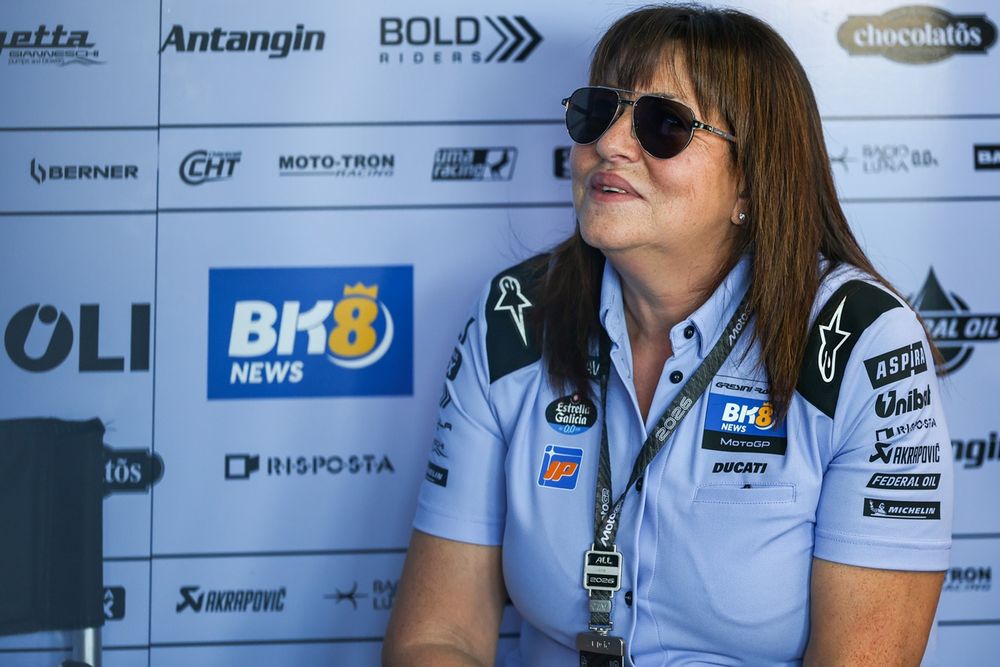
Nevertheless, the atmosphere became charged when Ducati announced the transfer of Fermin Aldeguer from Gresini to VR46 for the coming season. This unexpected maneuver left Nadia Padovani, the team principal of Gresini Racing and widow of the late Fausto Gresini, feeling blindsided and dismayed.
The Ripple Effects of Rider Movements
The decision to move Aldeguer not only raised eyebrows but also fueled speculation regarding Gresini Racing’s future negotiations with Honda. Reports claiming that substantial discussions were underway between Gresini and Honda were promptly denied by the Japanese manufacturer, emphasizing the volatility that characterizes the MotoGP rider market.
In a critical meeting on race day, Ducati’s sporting director, Mauro Grassilli, met with Padovani and Gresini team manager Michele Masini. This encounter lasted around 25 minutes, after which Grassilli offered a vague yet reassuring update, stating, “Everything is going well. However, I cannot make comments; I will speak after Austin,” referring to the upcoming United States Grand Prix.
Prospective Changes: Rider Salaries and Line-Ups
While the stability of Ducati’s satellite teams seems hopeful, significant changes may loom on the horizon, particularly concerning rider line-ups and contracts. Currently, Ducati covers the full salaries of some satellite riders, including Aldeguer and Fabio di Giannantonio. However, beginning in 2027, there is a clear intention to alter this arrangement: partners such as VR46 and Gresini are expected to contribute financially towards rider contracts.
For instance, VR46 is anticipated to bear part of Aldeguer’s salary in this new setup. Negotiations are ongoing with Gresini on similar terms. Despite these discussions, insiders believe that these financial negotiations do not pose a major obstacle, with a renewal agreement between Ducati and Gresini expected to be formalized imminently.
Davide Tardozzi, the team boss of Ducati, has expressed confidence in retaining Gresini within Ducati’s satellite structure post-2027. He stated, “We don’t want to lose them. They’re an excellent team. We’ll do everything we can to keep them with us, and I think they want to stay with Ducati.”
The Bigger Picture: MotoGP’s Dynamic Landscape
Ducati’s situation exemplifies the complexities and dynamic nature of the MotoGP paddock. As teams adapt to shifts in rider contracts, the looming regulatory changes require manufacturers to be agile in their strategies. Ducati’s proactive steps in maintaining solid partnerships are crucial not only for the brand’s competitive edge but also for ensuring a cohesive team environment.
The Italian manufacturer has established itself as a frontrunner in MotoGP, with innovative technologies and consistently high performance. The future, however, remains uncertain, as the competition intensifies and new talent emerges alongside potential shifts in allegiance. Significant rider movements have historically altered the balance of power in MotoGP, and this continues to be a powerful force in shaping the sport’s landscape.
Concluding Thoughts
As we continue to observe how the narrative of Ducati unfolds in the coming seasons, the impact of negotiations, strategic moves, and market dynamics will be pivotal. With ongoing discussions at the forefront, fans and insiders alike will be keenly watching how Ducati manages its relationships with satellite teams like Gresini and VR46, especially as 2027 looms on the horizon. The evolution of the rider line-up and financial agreements will play crucial roles in defining the next chapter of Ducati’s journey in MotoGP.
In summary, while Ducati appears to have a strong footing, the complexities surrounding rider movements, financial arrangements, and the overarching competition will undeniably shape the future as the sport heads into a new era of regulations. As the stakes rise in the colorful world of MotoGP, followers will eagerly anticipate the strategic outcomes of these pivotal discussions.