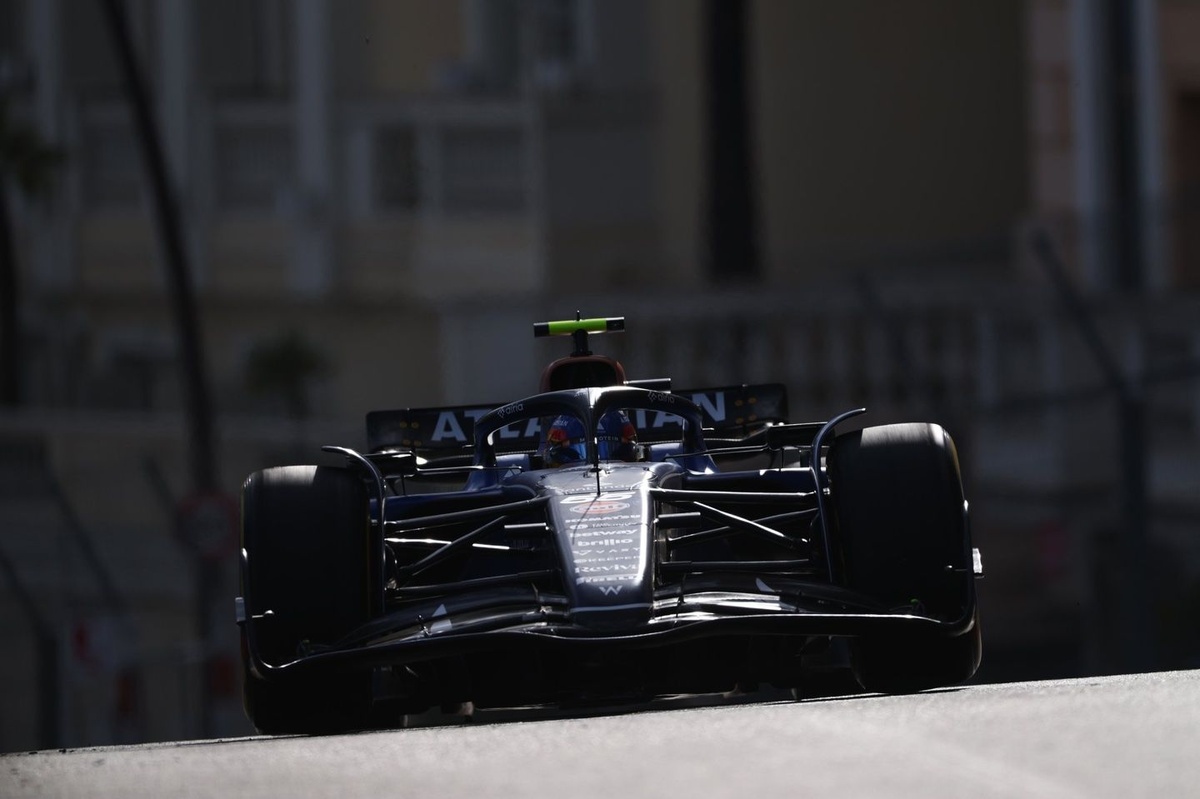
Formula 1’s 2026 Regulations: A Call for Change from Carlos Sainz and Other Drivers
As the world of motorsport evolves, so too does the landscape of Formula 1 (F1). The much-anticipated regulations for the 2026 season were introduced with a vision of creating more competitive and exciting races. However, the response from drivers and teams has been mixed, with an increasing chorus of criticism ringing through the paddock. One of the latest voices to add to this dialogue is Carlos Sainz of Williams, who has raised several pertinent concerns about the newly implemented regulations.
New Era, New Challenges
The 2026 regulations promised to usher in a new era of Formula 1, focusing on sustainability through enhanced energy efficiency. The introduction of smaller, more agile cars and a shift towards power units that maintain a balanced 50:50 split between electrical and internal combustion power was intended to transform the racing dynamic. However, this transition demands that drivers adapt their racing styles significantly. Not only must they master the art of speed, but they also have to navigate the complexities of energy management, recharging onboard batteries to optimize performance over each lap.
The new energy-harvesting protocols necessitate a style of racing that prioritizes lift-and-coast strategies, adding another layer of complexity to the job of a professional driver. This shift has elicited varied responses from the athletes themselves, with some expressing their discontent more vocally than others. Max Verstappen, a four-time world champion, criticized the changes, likening them to “Formula E on steroids,” highlighting a common sentiment among drivers who feel that the essence of F1 racing is being compromised.
Sainz’s Critique: A Need for Reflection
Carlos Sainz shared his thoughts on the new regulations during an interview following the second round in Shanghai. His observations were particularly interesting given his mixed experiences on different circuits, stating, “On a track like China, the regulations don’t feel that bad because we are very energy-rich, which means the engines behave differently compared to last year.” However, he expressed significant concerns regarding specific tracks, mentioning Melbourne, Monza, and Spa as venues where the regulations could use a serious rethink.
He articulated that while adaptability in racing is crucial, the current setup does not offer the Formula 1 experience he envisions. “I think development will also do its part, but I’m sure everyone at the top recognizes that what they’re trying to sell is not quite the right formula for Formula 1,” he added, suggesting that visual enhancements, such as improved graphics, do not compensate for the core essence that distinguishes F1 from its counterparts.
The Call for Adjustments
Amidst these critiques, Sainz remains hopeful about the future of the sport. He understands that the FIA (Fédération Internationale de l’Automobile) might not have achieved a perfect balance with the regulations from the get-go. As Sainz asserted, “I’m really hoping that there’s going to be changes soon, because it’s not the best formula.” This openness to change reflects a broader desire within the paddock for a more exhilarating racing experience that aligns with the traditional spirit of Formula 1.
His sentiments echo those of many in the paddock, who are advocating for a reevaluation of various aspects of the regulations. These include suggestions to modify the race start procedures, reassess energy allowances, and in some radical cases, even consider a return to naturally aspirated power units. However, the feasibility of such changes remains uncertain, especially with the next significant overhaul in engine development not anticipated until 2030 or 2031.
A Waiting Game: Evaluating the New Rules
While the immediate future of F1 may seem contentious, team principals are advocating for patience. Haas team principal Ayao Komatsu emphasized the need for a thorough analysis of the regulations, suggesting it would take about five races to assess the rules effectively. “You’ve got to see several different circuits and then decide what the global issue is,” Komatsu explained, warning against hasty conclusions based on limited data from a select number of races.
In this exploratory phase, the upcoming Japanese Grand Prix will be a critical opportunity to gather more insights. With the cancellation of previous events in Jeddah and Bahrain, the Canadian Grand Prix will also provide a chance to evaluate how these regulations perform across various track conditions and environments.
The Essence of F1: A Bridging of Tradition and Innovation
As Formula 1 navigates this shifting landscape, the core challenge remains how to integrate innovation without losing the soul of the sport. The framework of thrilling wheel-to-wheel racing, strategic overtakes, and the raw power of high-speed machines must not be sacrificed in the pursuit of sustainability and efficiency. The voices of seasoned drivers like Carlos Sainz and others who cherish the rich heritage of Formula 1 are vital in this conversation.
Ultimately, as the FIA and the F1 community move forward, it is crucial to strike a balance between embracing change and honoring the traditions that have made Formula 1 the pinnacle of motorsport. The discussions sparked by the implementation of the 2026 regulations, while contentious, present a unique opportunity for collaborative improvement and a reaffirmation of F1’s commitment to excellence in racing.
In conclusion, the road ahead for Formula 1 may be dotted with challenges and criticisms, but it is also paved with the potential for greatness. Listening to the drivers, embracing constructive feedback, and fostering dialogue among all stakeholders will be essential in ensuring that F1 not only survives but thrives in this new era.