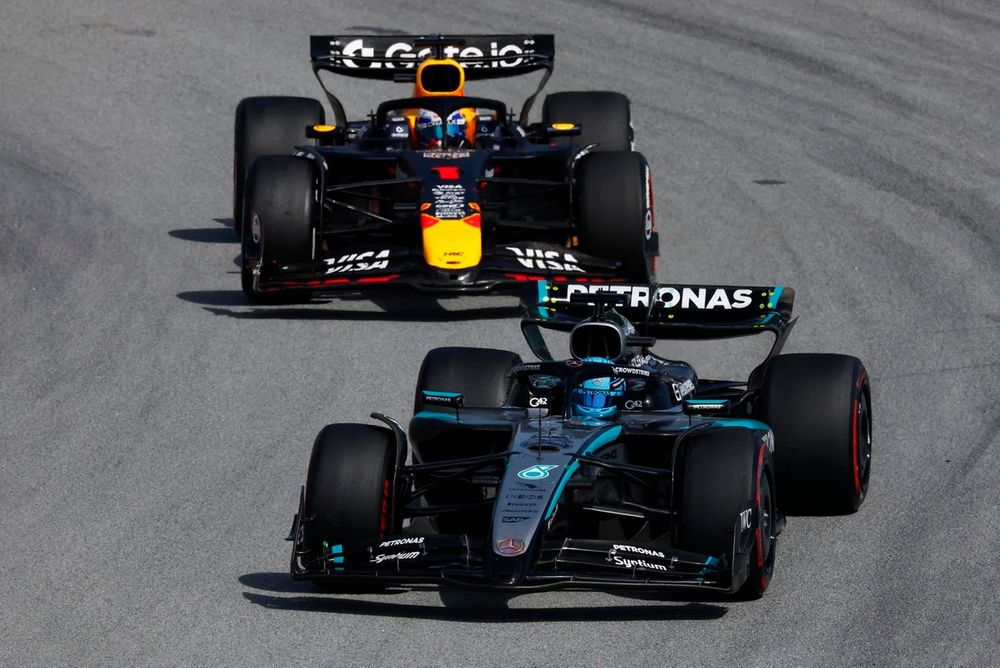
Max Verstappen: Reflecting on the Future of His Formula 1 Career
Max Verstappen, the renowned driver for Red Bull Racing and reigning Formula 1 World Champion, has recently expressed uncertainty regarding his future in the sport. His discontent came to light after a challenging qualifying session at the Japanese Grand Prix held at the iconic Suzuka circuit, where Verstappen was unfortunate to be eliminated in Q2.
A Disheartening Weekend at Suzuka
The Suzuka track, known for its technical challenges and passionate fans, presented yet another hurdle for the Dutch racer. His early exit during qualification was not only disappointing for him but also echoed his broader frustrations regarding the evolving nature of Formula 1 and its regulations. Verstappen’s lack of enthusiasm towards the sport, especially concerning the newly introduced 2026 regulations, represents a significant shift from the ambitious and competitive mentality that typically characterizes elite drivers.
During the post-qualifying press conference, Verstappen candidly admitted to feeling a “lot of stuff” that he personally needs to figure out, hinting at deeper concerns that extend beyond the racetrack. When probed for clarity, he modestly referenced “life, here,” suggesting that his struggles are intertwined with the current state of Formula 1 and the direction it is headed.
Discontent with New Regulations
One of Verstappen’s main grievances arising from the 2026 regulations pertains to energy management during qualifying sessions. The new rules mandate drivers to harvest energy during high-speed corners, a change that the four-time world champion has likened to the playful experience of Mario Kart, a stark departure from the traditional essence of Formula 1 racing.
His comments resonate with a growing concern among fans and pundits alike regarding the future of Formula 1. The introduction of these new regulations, aimed at enhancing sustainability and electric power integration, has led some, including Verstappen, to question whether it is diluting the pure racing experience that many have come to love. The promise of increased overtaking opportunities on Sundays does not seem to outweigh the dissatisfaction associated with newfound strategies and energy management during qualifying.
Finding Joy Outside F1
While Verstappen’s frustrations with Formula 1 are palpable, he has found solace in pursuing other racing endeavors. The 28-year-old has enthusiastically competed in GT3 events, participating in the NLS (Nurburgring Langstrecken-Serie) since last year and even planning to contest the upcoming Nurburgring 24 Hours. His joyous experiences outside of Formula 1 highlight a noteworthy disparity between the thrill he derives from other racing formats and the challenges he faces in Formula 1.
Verstappen’s father, Jos Verstappen, recently voiced concerns that his son could lose motivation to compete at the top level. However, Max has assured fans that whenever he’s in the car, he gives it his all. But he further opined, “with how everything is – not just the car but everything I’ve already said about Formula 1 – at the moment, it’s not fun for me. And it won’t be fun for other people either.” This echoes a sentiment shared by many in the sport who are longing for the charisma of raw, unadulterated racing.
The Importance of Enjoyment in Racing
In a world where performance often outweighs personal enjoyment, Verstappen’s perspective on maintaining a balance between competitive spirit and personal happiness stands out. He notes, “when you’re away from home for so many, 22 races, in the end you have to do something you enjoy in your life.” This speaks volumes about the mental health aspect and well-being of athletes, especially those involved in high-stakes sports like Formula 1.
Verstappen emphasizes that enjoyment is key to unlocking peak performance. “If you don’t enjoy it, you can’t get the best out of it,” he remarked, underscoring the human element that sometimes gets lost among the engineered perfection of modern racing.
A Fork in the Road: Future Decisions
As for the future, Verstappen hinted that the upcoming regulatory decisions will play a crucial role in determining his commitment to the sport. “It depends on what they decide for next year,” he stated. His recognition of the political intricacies involved in regulatory decisions — especially as manufacturers like Audi and Honda push for electrification — paints a picture of a sport at a crossroads.
“I just hope that it will be just a little bit more fun to drive,” Verstappen commented with a hint of optimism. However, he also articulately pointed out that the anticipated changes for the upcoming season may be too minimal to inspire meaningful excitement.
The possibility that Verstappen could retire from Formula 1 at the age of just 30 echoes the legacy of celebrated champions, including Alain Prost. His future thus remains uncertain, not only for himself but also for fans eager to see whether he will continue to race at the pinnacle of motorsport or carve a new path in the racing world.
Conclusion: The Journey Ahead
Max Verstappen is undoubtedly a talented driver whose future in Formula 1 hangs in the balance. His reflections on the state of the sport, mixed with personal aspirations and experiences, highlight the complexities of being a modern athlete in a rapidly changing environment.
As Verstappen navigates his career choices, fans and pundits alike will be closely observing his next steps, hoping for a resolution that rekindles the joy and excitement that first inspired him to race. Whether he remains in Formula 1 or explores other avenues, one thing is certain: Verstappen’s contributions to the sport will continue to be felt, elevating the discussion about the future of racing in ways that extend beyond just driving fast cars.