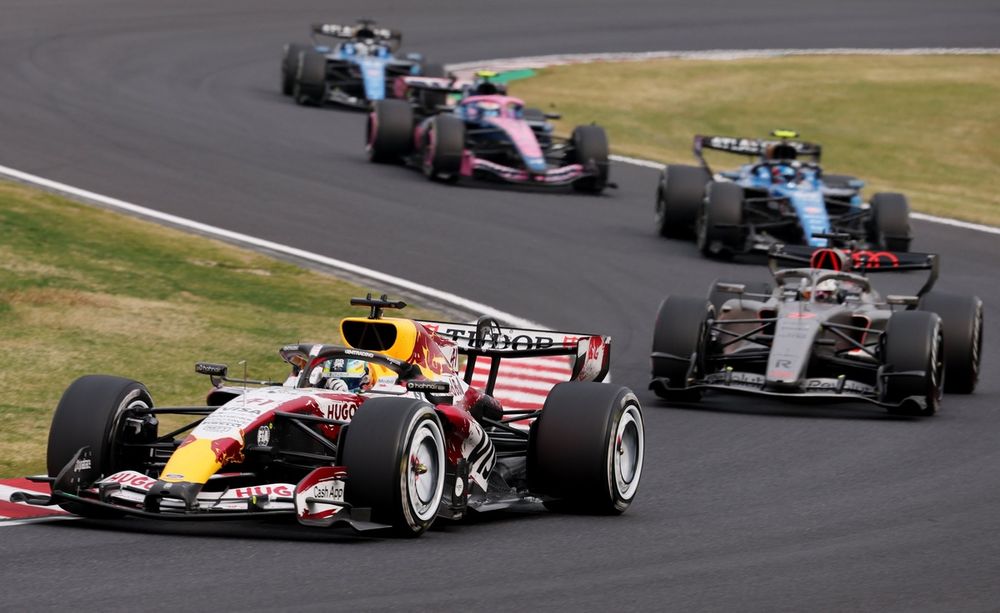
Understanding the Mental Strain of Modern Formula 1 Drivers: Insights from the Japanese Grand Prix
Formula 1 has always been a sport at the intersection of engineering brilliance and human endurance. However, as the sport evolves with increasingly complex regulations and technological advancements, the mental demands placed on drivers are rising at an unprecedented rate. Recent statements from prominent figures in motorsport, post the Japanese Grand Prix, highlight a concerning trend: the current generation of Formula 1 drivers is grappling with significant mental fatigue.
The Mental Toll on Drivers
Alex Brundle, a former racer and now an analyst for F1 TV, shed light on this issue after the Japanese Grand Prix. Observing the drivers as they stepped off the track, he noted a common theme: “Every driver that comes and stands next to us, they are drained. You can see it in their eyes that they’ve really done the job.”
Brundle’s observations align with the sentiments shared by Jacques Villeneuve, the 1997 F1 Champion. According to Villeneuve, “It’s not physical. It’s mental. It’s the mental drain of all the energy and the focus they need for it.” He elaborated that, from a physical standpoint, the cars are not significantly faster than previous years. Instead, it is the cognitive demands that have increased due to the complexity of the current technology.
This highlights an important transition in Formula 1: the shift from sheer physicality to extreme mental acuity. The intricacies of today’s cars—with features like energy harvesting, Overtake Mode, and various performance settings—require drivers to continuously engage their minds as much as their bodies.
An Era of Complexity in F1 Racing
The introduction of new regulations in recent years has led to a substantial transformation in vehicle design, pushing drivers into a technologically advanced and mentally taxing environment. The cars have gained sophisticated features such as energy recovery systems, complex tire management strategies, and multiple settings that can be adjusted during the race.
Damon Hill, the 1996 World Champion and former team-mate of Villeneuve, humorously compared the current drivers’ experiences to “patting your head, rubbing your tummy, and juggling while trying to solve a math equation.” This statement underscores the multi-faceted nature of driving in Formula 1 today, where the drivers have to manage numerous tasks simultaneously. This combination of high-speed racing and high-tech management can lead to heightened stress levels.
Drivers Share Their Experiences
Drivers themselves are not hesitant to express the overwhelming nature of their current roles. Liam Lawson, a driver with Racing Bulls, recently acknowledged that he felt “mentally drained” after competing in Japan. “You have a lot more that you’re thinking about when you’re driving. So, it was actually quite a tough race,” Lawson shared in a post-race interview. His acknowledgment of mental fatigue illustrates the modern driver’s reality; it is not just about racing skill, but also about the mental agility to handle the myriad pressures and decisions on the track.
Looking Ahead: Mental Health in Motorsports
Given these increasing mental demands, it is vital for racing teams and the Formula 1 community to address the psychological health of their athletes. Mental health in sports has gained recognition in recent years, with various organizations promoting well-being initiatives. Formula 1 must follow suit, ensuring that drivers have access to the necessary resources and support systems to manage the unique stresses of the sport.
Notably, mental resilience and preparedness are crucial components of performance on the track. Psychological support can vary from access to sports psychologists to workshops focusing on stress management techniques. As the technical demands of the sport evolve, so too should the framework supporting the mental well-being of its athletes.
Conclusion
As Formula 1 continues to push the limits of technology and performance, the mental aspect of racing should never be overlooked. Drivers are not just athletes but cerebral competitors who must navigate complex environments at extraordinary speeds. The reflections from drivers and analysts like Brundle and Villeneuve remind us that while the speeds may not have dramatically increased, the demands placed on these elite athletes have grown exponentially. To safeguard the future of the sport, fostering a culture that prioritizes mental health and comprehensive support for drivers is not only beneficial but essential.