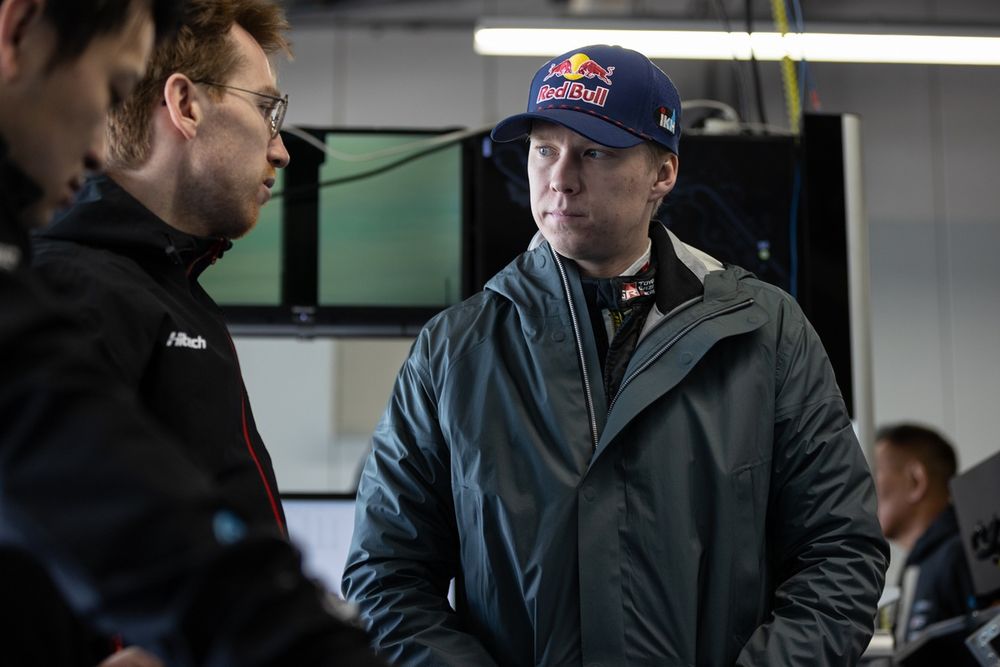
Toyota recently announced the decision to withdraw Kalle Rovanpera from the Super Formula Championship for the current season due to significant medical issues affecting the two-time World Rally Champion. This unexpected development raises questions regarding Rovanpera’s future in the highly competitive world of single-seater racing, particularly as he aimed to make a tangible leap in his career trajectory.
### Medical Concerns and Strategic Decisions
Earlier this month, it was confirmed that Rovanpera would forgo his participation with the KCMG team, which he was looking forward to as a platform to enhance his racing prowess. The decision came after a thorough medical evaluation revealed that Rovanpera was still dealing with health complications that hindered his performance preparation. The Finnish driver had previously experienced Benign Paroxysmal Positional Vertigo, a condition related to the inner ear that can cause dizziness, balance issues, and disorientation. This condition had already interfered with his training and testing schedule, particularly forcing him to miss several critical sessions back in December at the Suzuka circuit.
Despite racing in the Formula Regional Oceania championship in January and completing the Super Formula pre-season test without any immediate physical issues, Rovanpera struggled to acclimate, finishing at the bottom of the timesheets during that session. Such performance metrics highlight the challenge he faced in his return to high-speed competition.
Masaya Kaji, Toyota’s global motorsport director, addressed these developments ahead of the season opener in Motegi, emphasizing that the decision to withdraw Rovanpera was taken not just on medical grounds but also taking into account the compromised state of his preparations. “The decision was strongly led by Morizo-san [Akio Toyoda, Toyota’s chairman], who took responsibility for making the call,” Kaji explained. “It was a difficult decision for everyone involved, but ultimately it was made under his leadership, with a clear sense of accountability. At this level, there is no sense in taking part in the races without proper preparation.”
### The Importance of Recovery
Kaji highlighted that it was crucial for Rovanpera to fully recover before re-entering the rigorous competition environment. He noted that a hasty return might be detrimental not just to Rovanpera but potentially to the team’s performance as well. The decision for a complete withdrawal rather than just skipping the opening weekend at Motegi was founded on the understanding that Rovanpera’s chances for success would be significantly hampered without adequate preparation time.
“We had planned various scenarios, but the biggest problem is that if he is resting, then he can’t prepare himself,” Kaji noted. For the time being, Seita Nonaka has been confirmed to step in for Rovanpera at KCMG, underscoring the need for a strategic approach in putting together the race lineup while ensuring Rovanpera’s wellbeing.
### Future Prospects
Regarding Rovanpera’s future in single-seater racing, Kaji expressed optimism. The potential avenues include a second attempt at Super Formula or a new challenge further down the racing ladder. Kaji summarized this sentiment, saying, “There are various possibilities for the next step. We’ll see how things progress, and then we will make that decision together at a later stage.” This proactive stance indicates that Toyota is committed not only to Rovanpera’s health but also to facilitating a smooth transition back to competitive racing when the time is right.
### The Absence of Other Drivers
Rovanpera’s absence from the Super Formula grid is compounded by the situation surrounding another high-profile driver, Jack Doohan. Initially set to race for Kondo Racing, Doohan ultimately withdrew from the season after some tumultuous testing sessions that culminated in several crashes at the Degner Curve. Nevertheless, Kaji suggested that factors beyond the crashes contributed to Doohan’s decision, including his primary pursuit of a Formula 1 career, indicating that Super Formula was not a central priority for him.
“His target was always F1. Becoming a Toyota works driver may have been an option for us, but my feeling was that Super Formula was not a major priority for him,” Kaji remarked. This highlights a larger trend in motorsport where drivers prioritize pathways that align more closely with their long-term ambitions.
### Building Relationships
Despite the setbacks, Kaji maintained a positive outlook towards future collaborations with both Rovanpera and Doohan. He acknowledged that while the current circumstances might seem discouraging, they don’t signify a negative shift in relationships with either driver. “There’s still a chance we could work together in the future, and it’s not to say that we don’t have a good relationship currently,” he stated.
In conclusion, Kalle Rovanpera’s withdrawal from Super Formula symbolizes the intricate balance that professional athletes must maintain between their physical and mental health and competitive aspirations. It sets a significant precedent for the approach motorsport teams are increasingly adopting: prioritizing the well-being and comprehensive preparation of their drivers above all else. The coming months will be crucial for both Rovanpera and his team as they navigate this challenging period, with the potential for a triumphant return to competition in the future.