Argentina Aims for Formula 1 Comeback: Building a New Era at the Buenos Aires Autodrome
In an ambitious move to return Argentina to the Formula 1 (F1) calendar, officials are set to send a delegation to the highly anticipated Miami Grand Prix. The team, representing the Buenos Aires city government alongside local promoter Grupo OSD, will engage with executives from Liberty Media, the organization that holds the commercial rights to F1. Their mission: to showcase the significant advancements made at the historic Autodromo Oscar y Juan Galvez, which is currently undergoing renovations to accommodate upcoming international motorsport events, including the MotoGP World Championship.
A Historic Venue Undergoing Transformation
The Autodromo Oscar y Juan Galvez has long been recognized as a cornerstone of motorsport in Argentina. Recent redevelopment efforts are aimed not only at revitalizing the circuit for motorcycle racing but also at positioning the venue as a competitive candidate for F1 races beginning in the 2027 season. Buenos Aires sports secretary Fabian Turnes emphasized the progress made, stating that the collaboration with the advisory group Tilke, specifically recommended by Liberty Media, has been instrumental in meeting F1’s stringent operational and technical standards.
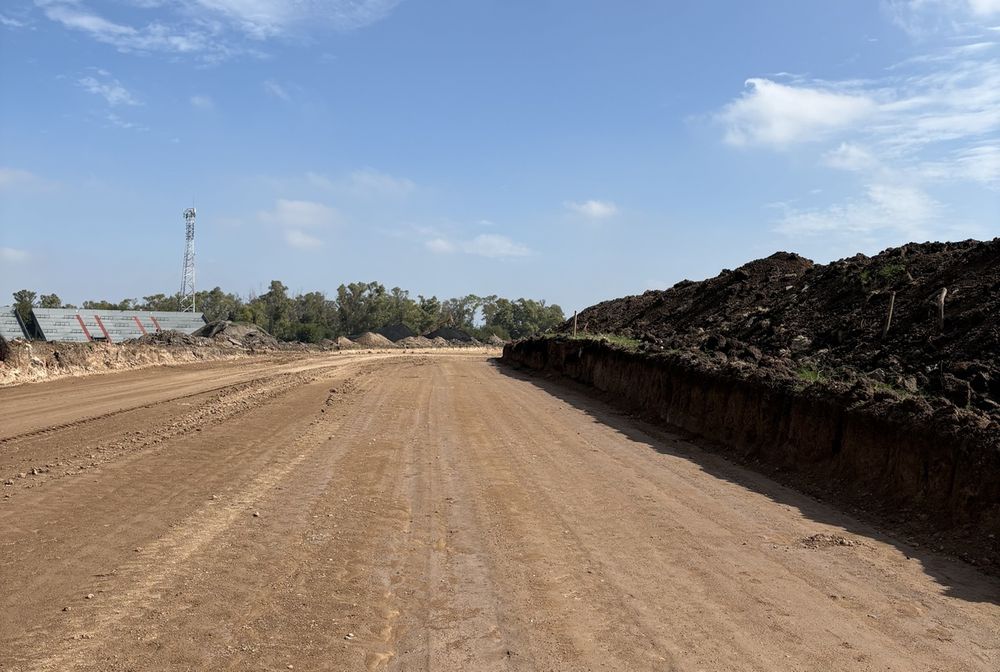
“We have made significant strides since our initial meeting with them last year in Miami,” Turnes explained. “This is not just a vision anymore; the circuit is actively under construction. We can demonstrate that we are fulfilling the commitments set forth.” With the development progressing well, the circuit’s estimated completion date is set for December, laying a solid foundation for negotiations at the Miami Grand Prix.
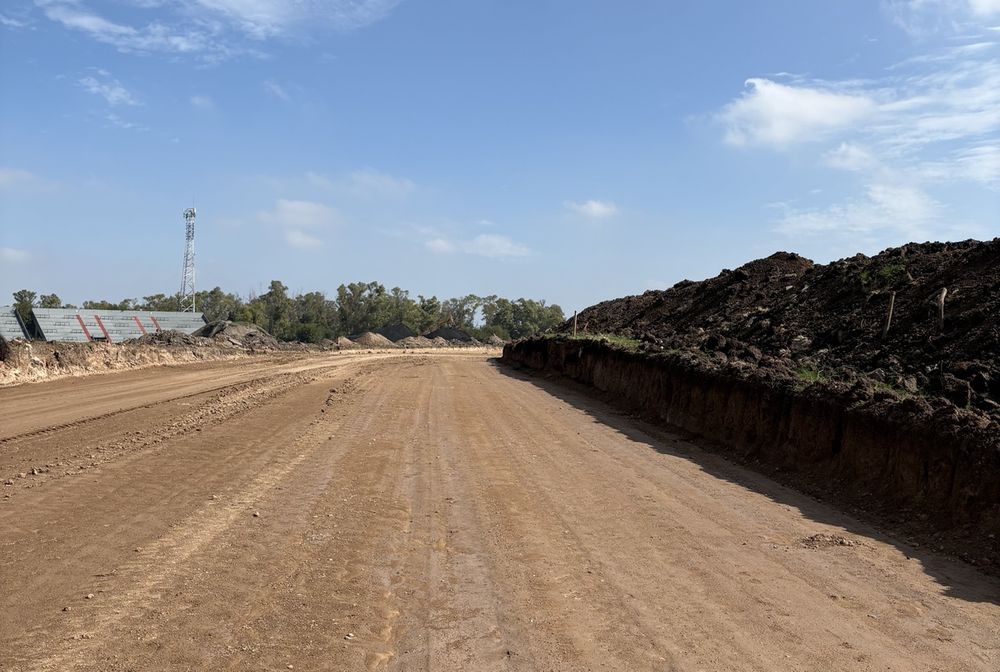
Construction at the Buenos Aires Autodrome. The track is expected to be completed by December.
A Strategic Plan for F1 Inclusion
The overall redevelopment strategy for the Buenos Aires Autodrome has been divided into two phases. The initial phase will focus on preparations for MotoGP, while the second phase will cater to Formula 1, primarily through extending the circuit’s layout to nearly 5 kilometers. This extension would enhance the track’s profile, compared to the 4.3 kilometers planned for MotoGP racing.
Turnes shared insights regarding the evaluation process for accelerating these developments. “We recognize that several existing contracts on the current F1 calendar are nearing expiration. Given the global context affecting sports events, we see this as an opportunity,” he noted, referring to the ongoing geopolitical conflicts that have already resulted in the cancellation of races in Bahrain and Saudi Arabia earlier this year.
Looking Ahead to Potential Opportunities
As F1 continues to evolve, the potential for Argentina’s re-entry into the racing calendar appears to hinge on various factors, including the flexibility of scheduling and venue rotations. “We will likely have clearer insights toward the end of the year, especially around the Qatar Grand Prix,” Turnes speculated, noting that if the political situation remains volatile, certain dates may very well open up in 2027.
The Buenos Aires team is thus keen to present tangible evidence of progress during the Miami meetings, including potentially advancing plans for the track’s F1 extension. “We are discussing whether it would be strategic to include the Formula 1 extension in the first phase of redevelopment. This is a decision we will solidify in the coming days,” Turnes confirmed.
Entering the Spotlight: Franco Colapinto’s Impact
In a twist that might further bolster the Argentina campaign, the emergence of young driver Franco Colapinto in Formula 1 is creating a buzz around the nation’s motorsport ambitions. Colapinto made his debut with Williams, and has since moved to Alpine, growing in stature and generating interest in the Argentine audience. His upcoming demonstration run on the streets of Buenos Aires in an F1 car could serve as a significant event, showcasing the nation’s passion for motorsport to F1 decision-makers and the global public.
“This event was strategically planned around the Miami Grand Prix to maximize exposure,” said Turnes. “Colapinto’s presence and the excitement that surrounds his career can greatly enhance our presentation to F1 executives.”
Timeframe Expectations: 2027 Versus 2028
Despite the eagerness to initiate the F1 return as early as 2027, some officials are advocating for a more cautious approach. “It is unrealistic to rely solely on 2027 given the current context,” Turnes commented. “However, 2028 could present a more plausible opportunity. Time is relative in this situation, and while we strive for immediate solutions, we must also plan for a broader window of possibilities.”
As the Autodromo Oscar y Juan Galvez prepares for its transformation, the concerted efforts of the Buenos Aires delegation are beginning to resonate within the global motorsport community. With F1’s ever-changing landscape, this historic venue could soon reclaim its place among the premier circuits in the racing world, captivating both local fans and international audiences alike.
In conclusion, Argentina’s quest to reestablish itself on the F1 calendar is a crucial narrative for the motorsport community. With strategic planning, infrastructure development, and the engaging persona of rising drivers like Franco Colapinto, the Buenos Aires team is laying down the groundwork for an exciting new chapter in the nation’s motorsport history. As the world watches, the stage is being set for a thrilling return to the racetrack—one that could reignite the fervent passions of motorsport enthusiasts across Argentina and beyond.