Formula 1 2026: Charles Leclerc Offers Insight on New Regulations Amid Mixed Reactions from Drivers
The 2026 Formula 1 season has ushered in significant changes, particularly with the recent overhaul of regulations that have transformed the sport’s dynamics and machinery. One of the central figures navigating these changes is Charles Leclerc, the talented driver representing Ferrari. Following the Chinese Grand Prix, where he experienced fierce wheel-to-wheel combat on the track, Leclerc shared his perspectives on the new era of F1 racing that has evoked both enthusiasm and criticism among his peers.
A Shift in Dynamics
Under the new regulations, the 2026 F1 cars exhibit a radically different approach compared to their predecessors. Key changes include a redesigned chassis, resulting in cars that are lighter and more agile, along with a shift towards electrification. This shift aligns with a broader industry trend advocating for sustainability and reduced carbon emissions. For the 2026 season, the utilization of electrical power has spiked, establishing a nearly balanced split between electrical energy and the traditional internal combustion engine.
These shifts have led to the emergence of a unique racing style described as ‘yo-yo’ racing. As Leclerc pointed out, this new style has led to intense battles seen throughout the opening rounds of the season, particularly in Australia and China. At certain corners, drivers are overtaking only to see competitors regain their positions down the following straights, leading to continuous tussles and more unpredictable racing.
Diverse Reactions from the Grid
However, Leclerc’s positive outlook on the new regulations is not universally shared. His contemporary, Max Verstappen, has articulated strong dissent regarding the new racing dynamics, declaring that those who enjoy the altered conditions may not fully comprehend the essence of racing itself. Other drivers, including prominent names like Lando Norris, Carlos Sainz, and Esteban Ocon, have echoed Verstappen’s sentiments, expressing concerns over the artificiality that they perceive in these changes. Their primary complaint revolves around the reliance on battery management, a significant aspect that many argue detracts from the core adrenaline rush that Formula 1 racing promises.
Conversely, those operating at the pinnacle of the sport, particularly Ferrari and Mercedes drivers, including Leclerc, are embracing the complexities of the new regulations. Leclerc defended the current format, stating, “I enjoy it, and it doesn’t feel artificial from inside the car.” He added that while some overtakes might seem artificial due to battery management discrepancies, there’s an evolving understanding among drivers about risk-taking and its resultant opportunities for attempting overtaking in strategic locations.
Strategic Battlefronts in Shanghai
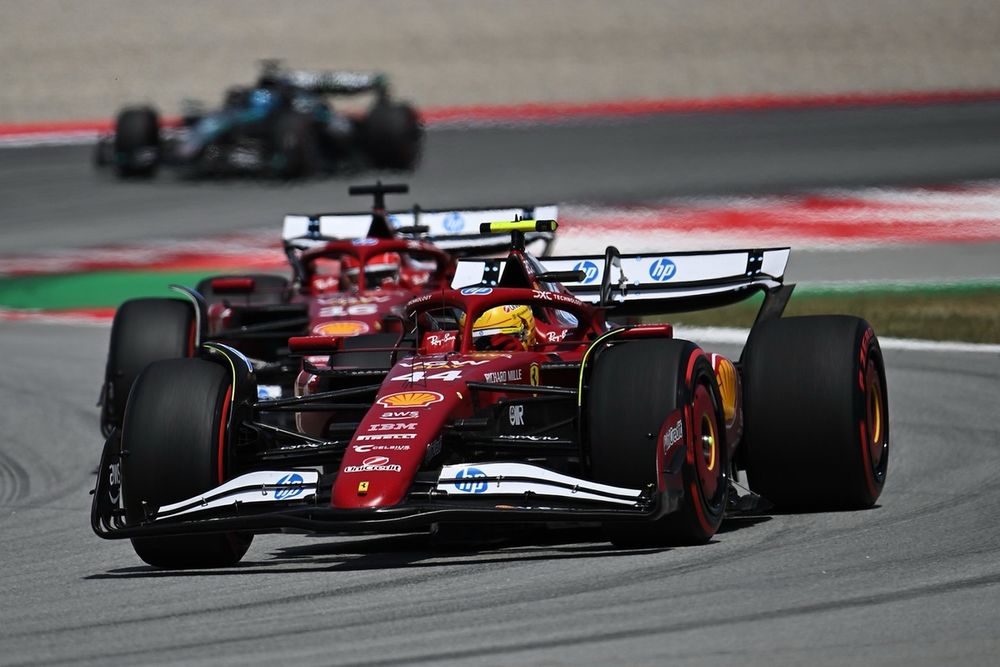
Leclerc’s reflections were particularly resonant following the chaos of the Chinese Grand Prix, where the track dynamics allowed for remarkable overtaking maneuvers. Specifically, the Turn 6-9 complex showcased thrilling exchanges among Leclerc, his teammate Lewis Hamilton, and Mercedes driver George Russell, who were emblematic of spirited competition for podium placements.
Despite finishing just outside the podium, Leclerc left the event with an optimistic outlook, having often cited Shanghai as one of his most formidable tracks. “I really enjoyed it,” he stated, though he expressed disappointment at narrowly missing out on a podium finish. “At the end of the day, Lewis was just stronger, and I’m happy for his podium. It was a very fair, hard but fair battle, which was nice.”
A vital aspect of the race, as Leclerc described, was the intricate energy management strategies at play. From managing brakes to battery depletion, the race became a chess match where every decision could lead to significant consequences. “The way you deploy and manage the energy made it a fun race,” he emphasized, highlighting how these new regulations have introduced additional layers of tactical engagement.
Refining the Qualifying Format
While Leclerc’s enthusiasm for the racing aspect of the new regulations is evident, he voiced concerns regarding the qualifying format. He believes that the current setup fails to adequately reward drivers who push their cars to the limits, a critical essence of the sport. “It’s not those super high downforce cars that we used to have in the past. There are some things that we need to look at,” he noted. Leclerc expressed hope that the FIA would address these issues, as improving qualifying could enhance the overall integrity and competitive spirit of the F1 framework.
As the season progresses, the ongoing debates regarding the 2026 regulations will likely continue to shape the narrative surrounding Formula 1. The balance of opinion among drivers underscores the complexities of transitioning to these new changes. While some view it as a loss of traditional racing spirit, others, like Leclerc and his Ferrari team, are reveling in the new challenges and opportunities presented by this fresh chapter in F1 history.
Conclusion
As the battle for the championship intensifies, fans and analysts alike will be watching closely to see how adaptively and strategically teams and drivers navigate the 2026 season. With each race, the unfolding drama on the track serves as a reminder of the sport’s rich heritage while bearing witness to its evolution. The intersection of technology and traditional racing drama, as exemplified by Leclerc’s experiences, ultimately illustrates the beauty of Formula 1 amidst its relentless pursuit of innovation and performance.
Ultimately, whether through the lens of tradition or the excitement of the new, one truth remains: F1’s commitment to high-octane competition continues to enthrall and engage audiences around the world.