Formula 1: A Tactical Shift in 2026 Regulations Spark Discussion
In the world of Formula 1, few events spark as much debate and intrigue as the introduction of new regulations. The 2026 season is no exception. As the race at the Japanese Grand Prix unfolded, discussions emerged around the effects of the new regulations, particularly regarding battery management tactics implemented throughout the season. Former Formula 1 champion Damon Hill, a driver with an impressive legacy from 1996, has shared his thoughts on the racing dynamics introduced by these rule changes.
Diverse Opinions on the 2026 Regulations
The new regulations require drivers to adopt a strategy of ‘lift and coast’ during races to effectively manage their battery power. This approach has drawn criticism from various corners of the paddock, with some drivers voicing their discontent. Critics argue that these tactics reduce the thrill of racing by necessitating slower speeds during key moments to charge the cars’ batteries. Hill, however, sees the situation through a more optimistic lens.
“Listen, I know that some of the drivers don’t like having to slow down to charge their batteries, but I think the racing is very interesting,” Hill stated during his appearance on F1 TV. The former Williams driver emphasized the tactical aspect of these new dynamics. He claimed that the drivers are being forced to think strategically, adding layers of complexity to their races, and ultimately, providing fans with a more engaging viewing experience.
Indeed, the season’s early rounds have illustrated a noticeable shift in on-track dynamics. The 2026 season-opening Australian Grand Prix showcased a striking 120 overtakes, a stark increase from the 45 overtakes recorded in the previous year’s race at the same venue. Such statistics suggest that the new regulations have afforded drivers opportunities for strategy and overtaking maneuvers that were previously less common.
Jacques Villeneuve’s Perspective
Adding another layer to the conversation, Hill’s former teammate Jacques Villeneuve provided his opinions on the recent changes. Villeneuve noted, “It’s interesting, not exciting.” He highlighted the contrast in expectations from different stakeholders, admitting that while some may seek the adrenaline rush traditionally associated with F1, there is still an element of satisfaction among fans due to the increased action—especially at circuits known for less thrilling races like Suzuka, where the new regulations have led to more overtakes.
In response to Villeneuve’s observations, Hill reiterated the rarity of overtakes and re-overtakes in Formula 1, implying that the changed regulations are indeed fostering more dynamic racing conditions. “We got some overtakes and then re-overtakes. Now, that very rarely happens in our sport, doesn’t it?” he said.
Recognizing Standout Performers
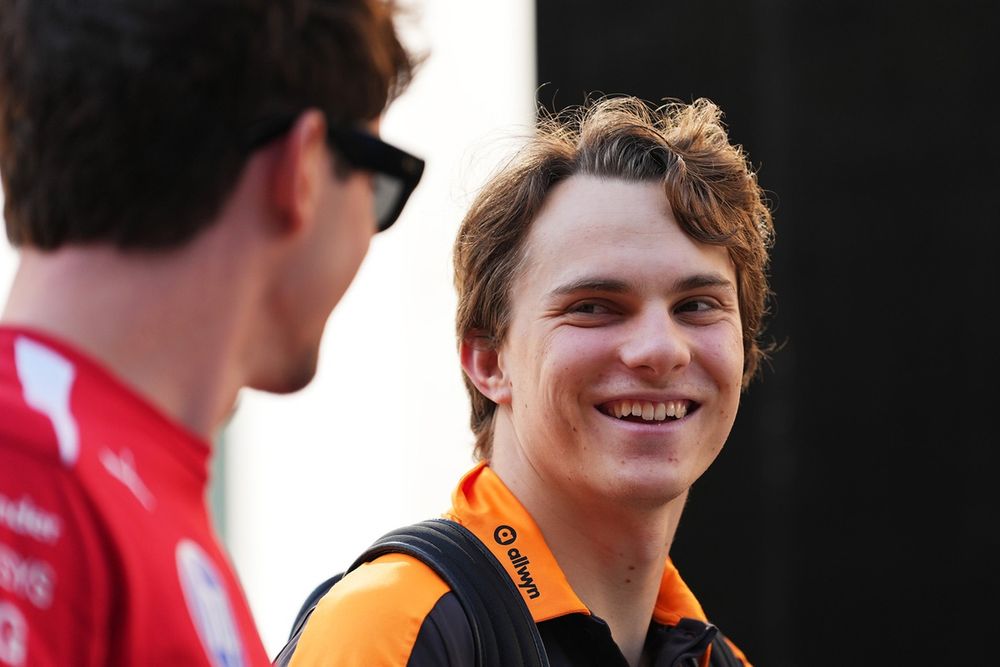
In a discussion about standout performances, Hill highlighted the exceptional drive of McLaren’s Oscar Piastri during the Japanese Grand Prix. After a troublesome start to the season, including failures to start in both the Australian and Chinese Grands Prix, Piastri managed to convert a third-place starting position into a commendable second-place finish. Hill remarked, “I think Oscar’s still very hungry after missing out last year. He was good all weekend. It was good to see McLaren looking a bit stronger, and that’s great for us.”
Reflecting on the start of the season, Hill noted the diversity of competitors at the front of the pack, indicating that multiple teams are now capable of achieving podium finishes. “We’ve had three different marques in the top three and lots of drivers there. You’ve got what, six drivers that could be a winner? That’s pretty good,” he stated, hinting at the competitiveness that is becoming a hallmark of the 2026 season.
A New Era in Formula 1
As the season progresses, the implications of the 2026 regulations are undoubtedly multifaceted, affecting everything from race strategy to team performance. The tactical need to manage battery resources adds a novel dimension to the traditional racing narrative, pushing drivers to adapt to a new normal on the track.
Fans are beginning to witness a paradigm shift in how races are contested. While the emotional charge of speed and raw horsepower remains integral to Formula 1, the burgeoning emphasis on strategy and foresight may soon redefine spectator experiences and expectations. With seasoned veterans like Hill and Villeneuve offering their insights, the dialogue surrounding these changes will likely continue to evolve as the implications become clearer in subsequent races.
Moreover, the broader conversation touches on the sustainability efforts that the sport seeks to navigate amid rising public consciousness on environmental issues. As the organization works within these multifaceted regulations, the future of Formula 1 appears to be one not only of innovation but also of adaptation. The racing world is bracing for what lies ahead, ensuring the legacy of the sport is sustained while addressing contemporary challenges.
In conclusion, the new regulations of the 2026 season have undeniably sparked a re-examination of racing tactics and strategies. With luminaries like Damon Hill championing the nuances of the changes, it seems the competitive spirit of Formula 1 continues to thrive, evolving with the times while holding onto its core essence. The evolution is not merely about faster cars; it’s about smarter racing. As we move forward, the unfolding narrative promises excitement, as drivers and teams navigate this brave new world of motorsport.