Formula 1: Enthusiastic Reception for Racing Bulls’ Stunning Japanese Grand Prix Livery
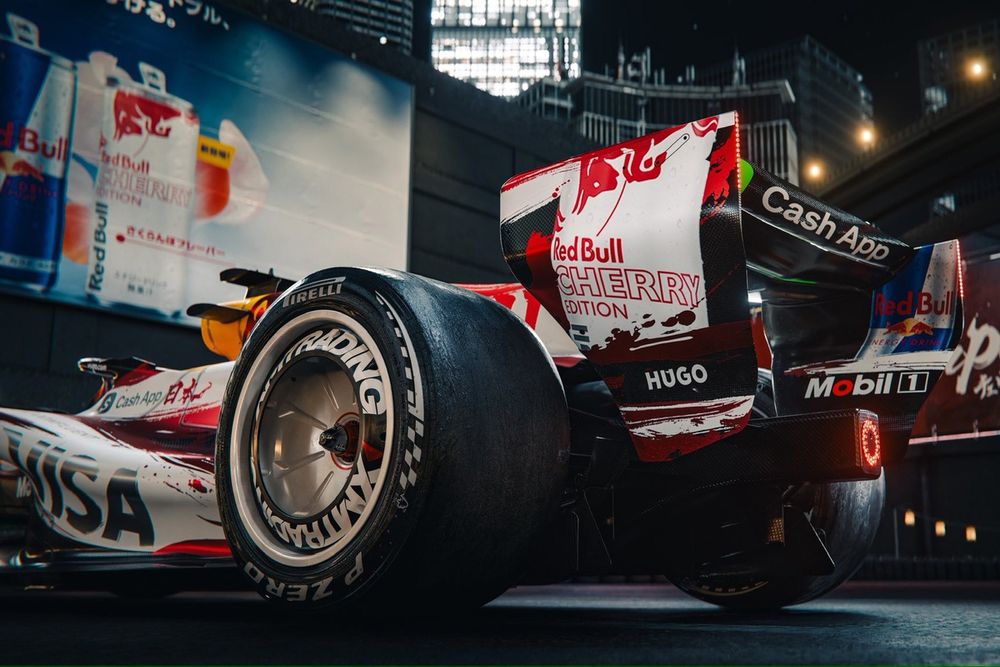
The world of Formula 1 is no stranger to breathtaking designs, but Racing Bulls has truly outdone itself with its latest livery for the upcoming Japanese Grand Prix. Unveiled during a special event dubbed the Red Bull Tokyo Drift, the new look features a striking white base adorned with vibrant cherry red accents. This design isn’t just aesthetically pleasing; it carries cultural significance as it was created in collaboration with esteemed Japanese calligrapher Bisen Aoyagi, integrating traditional calligraphy into this modern motorsport ornamentation.
A Celebration of Culture and Design
The combination of colors and the innovative artistic approach has captured the attention of motorsport enthusiasts around the globe. Fans took to social media platforms like Reddit, where they shared their unfiltered enthusiasm. Comments like, “**Holy f*, that goes hard. That shade of red is stunning,” highlight the emotional connection fans feel when artistry meets athletics on the racetrack.
One astute observer noted how this new shade of red resonated with memories of a previous Honda tribute livery that Racing Bulls ran at Suzuka. This historic connection to the sport’s past, coupled with this modern artistic interpretation, has created a nostalgic yet fresh experience for fans. Another fan acknowledged the livery’s appeal by stating, “It looks like a fan concept livery…and that’s not an insult. Wow.” It’s clear that the livery serves not only to represent the team but also to forge a bond with the rich history and culture of Japan.
Fan Reactions: A Desire for Permanence
The overwhelming positive reception has sparked discussions among fans about the possibility of this livery becoming a permanent fixture for the team. Numerous fans expressed their desire for Racing Bulls to adopt this look for the remainder of the 2026 season. Phrases like, “**Petition to make this the permanent livery because this is so f*ing good,” and, “Can they keep this for the rest of the year, pls?,” proliferated across fan forums and social media. Clearly, this is more than just a temporary design for many supporters; it represents an opportunity for Racing Bulls to forge a deeper connection with its fanbase.
Fans have articulated that this design stands as the best white livery the Red Bull family has ever fielded. Given the competitive landscape of Formula 1, this assertion carries weight, as Red Bull has a storied history of innovative and visually stunning designs. The sense of pride and ownership felt by fans is emblematic of a broader trend in sports—where visuals, branding, and identity are intertwined with the performance and reputation of the team.
Anticipation for the Upcoming Race Weekend
As the Japanese Grand Prix approaches, set to take place from March 27-29 at the Suzuka Circuit, the excitement surrounding the event is palpable. Racing Bulls currently sits in sixth place in the constructors’ standings with 12 points, a situation that they hope to improve upon in front of their passionate Japanese audience. Drivers Liam Lawson and rookie Arvid Lindblad have contributions that factor into the team’s performance, and fans are keen to see how the striking new livery will perform on the racetrack.
With Lawson ranked ninth in the driver standings and Lindblad not far behind in tenth place, there’s a sense of hopeful unity among fans for a robust representation in Japan. The livery is not just a visual delight; it encapsulates the spirit of collaboration, cultural appreciation, and a striving for excellence that epitomizes the essence of Formula 1.
The Broader Impact of Aesthetic Innovations
The introduction of this livery underscores a significant trend within sports, particularly in motorsports, where branding and visual identity have become crucial. A well-designed livery can communicate a team’s ethos and cultural values while also serving as a marketing tool that resonates with fans. As we see in Racing Bulls’ case, the thoughtful incorporation of local culture, art, and colors effectively strikes a chord with supporters and serves to elevate the overall narrative of the racing team.
Conclusion: Bridging Tradition and Modernity
In conclusion, Racing Bulls’ special Japanese Grand Prix livery has captured the imagination of fans not only for its visual appeal but also for its cultural significance. The enthusiastic feedback and aspirations for its permanency showcase a deep-rooted connection between fans and the identity of their beloved team. As Racing Bulls prepares to take to the Suzuka Circuit, the anticipation builds—not just for thrilling races but for the beautiful artistry that adorns their machines.
The symbiotic relationship between fan engagement, cultural representation, and modern design may very well be the defining narrative of this season in Formula 1. As this journey unfolds, fans will undoubtedly continue to advocate for more bold and captivating designs that represent not just their teams but the traditions and cultures that enrich the sport they love. Racing Bulls, with their remarkable new livery, is paving the way for a future where art and sport beautifully collide.