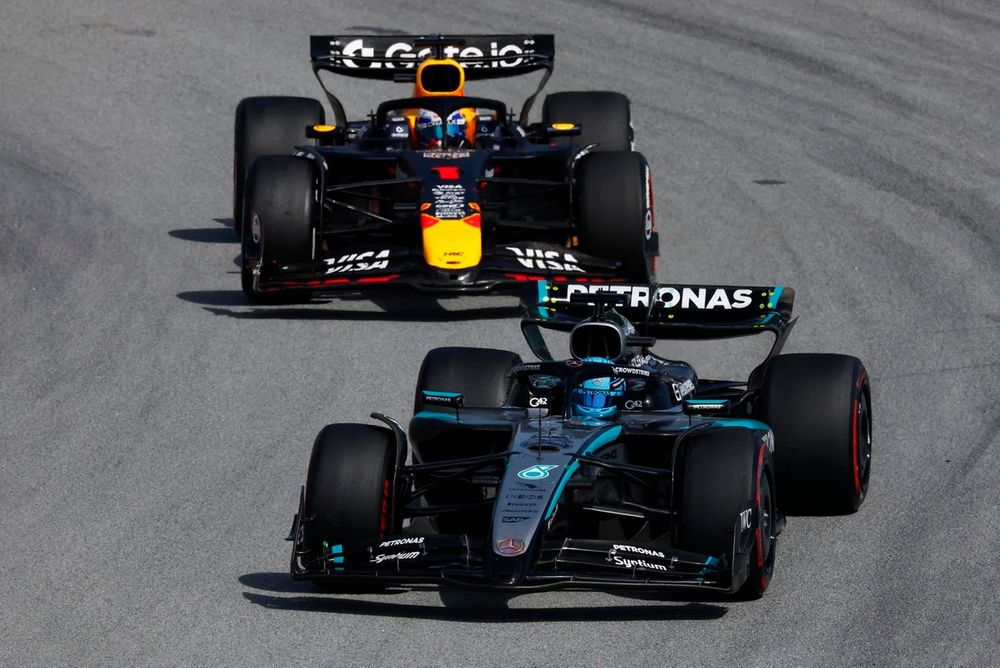
Jenson Button and Max Verstappen: Perspectives on Endurance Racing Amidst F1 Regulations Changes
Understanding the Context: Formula 1’s New Regulations
As the world of motorsport continues to evolve, the 2026 Formula 1 season has introduced a fresh set of regulations aimed at repositioning the sport for a greener, more sustainable future. These new regulations feature a striking 50:50 balance between internal combustion engines and electric power, signaling a significant shift in the very DNA of Formula 1 racing. This transformation has evoked a variety of opinions from drivers, teams, and fans alike, igniting debates about the fundamental essence of racing.
Among the drivers, two names stand out: Max Verstappen, the reigning world champion known for his aggressive driving style and relentless pursuit of victory, and Jenson Button, the veteran racer and former champion who brings a measured perspective based on years of experience in the sport.
Verstappen’s Viewpoint on Endurance Racing
Max Verstappen has been vocal about his concerns regarding the new regulations, famously describing them as “Formula E on steroids.” His sentiments highlight a belief that the focus has shifted from pure racing performance to energy management, where drivers may find themselves conserving energy rather than pursuing outright speed and competition. For Verstappen, accustomed to the adrenaline of traditional racing, this shift raises questions about the thrill and competitiveness of the sport.
To further explore his passion for racing, Verstappen has actively engaged in GT3 endurance events when the Formula 1 calendar allows. His recent participation in the Nurburgring Langstrecken-Serie, where he teamed up with notable racing figures Daniel Juncadella and Jules Gounon, underscores his commitment to experienced drivers in diverse racing formats. While his team initially crossed the finish line first, they were later disqualified for exceeding the tire allowance, exemplifying the challenging and complex nature of endurance racing.
Despite these experiences, Button believes that the world of endurance racing may not alter Verstappen’s perspective on F1. Button acknowledges Verstappen’s commendable attempts to diversify his racing experiences, but contends that fundamental changes in regulations might only affect a driver’s mindset when they are experiencing success in F1, such as winning races consistently.
Button’s Perspective on Endurance Racing
Jenson Button, another seasoned veteran and 2009 F1 World Champion, provides a different angle. He acknowledges the multitude of racing formats available in motorsports, remarking that unlike tennis, where there’s limited variation in the sport, motorsport possesses a rich tapestry of categories, including endurance and multi-class racing. He emphasizes that these various forms of racing contribute to the overall excitement for drivers, who relish the challenges they pose.
Button pointed out Verstappen’s enthusiasm while overtaking cars and competing in environments like Fuji, where conditions can shift dramatically, offering an added layer of complexity and excitement. Such environments, coupled with the technical innovation of vehicles like the GT500s—a category Button himself raced in prior years—provide drivers with exhilarating experiences that diversify their practical skills and augment their knowledge of vehicle dynamics.
The topic of whether endurance racing can serve as a form of rejuvenation for Verstappen arises, with Button expressing belief that the thrill of driving different types of cars might offer a relieving escape from the relentless pressure that accompanies competing at the pinnacle of motorsport. Nonetheless, Button strongly believes that Verstappen’s outlook on F1 will only shift when he begins to taste victory again, reinforcing the intimate connection between success and a driver’s mindset.
Unpacking the Experience of Racing in Different Conditions
Engaging in endurance racing presents unique challenges for drivers. The complexities of tire management, fuel consumption, and navigating varying conditions are critical skills that can also be beneficial in navigating the diverse challenges of the F1 circuit. Riding through adverse weather or competing against multifaceted vehicle classes carries lessons that could enhance a driver’s versatility and adaptability.
In endurance racing, drivers often face the reality of long stints where physical and mental stamina plays a crucial role. This extends beyond just the physical demands, as strategic thinking becomes vital when managing energy and tires throughout the race. Verstappen’s experiences on these varied tracks could prove beneficial, not just for entertainment but for applying lessons learned back in the F1 context.
Conclusions: The Future of F1 and its Drivers
As Formula 1 navigates the complexities of these new regulations, the perspectives of drivers like Verstappen and Button will play a pivotal role in shaping the direction of the sport. The transition to hybrid technology may lead to exciting opportunities and challenges alike, prompting drivers to adapt quickly. With passionate veterans like Button sharing insights and promising talents like Verstappen under scrutiny, the thrill of competition remains paramount.
Ultimately, the balance between innovation, competitive racing, and driver connection will define the future of Formula 1 as it embraces sustainability while striving to maintain its rich heritage of speed and performance. Whether it’s through endurance racing or adapting to hybrid vehicles, the adventure continues for both drivers and fans in the world of motorsport.