Lance Stroll’s Challenging Debut in the GT World Challenge Europe: A Race Full of Lessons
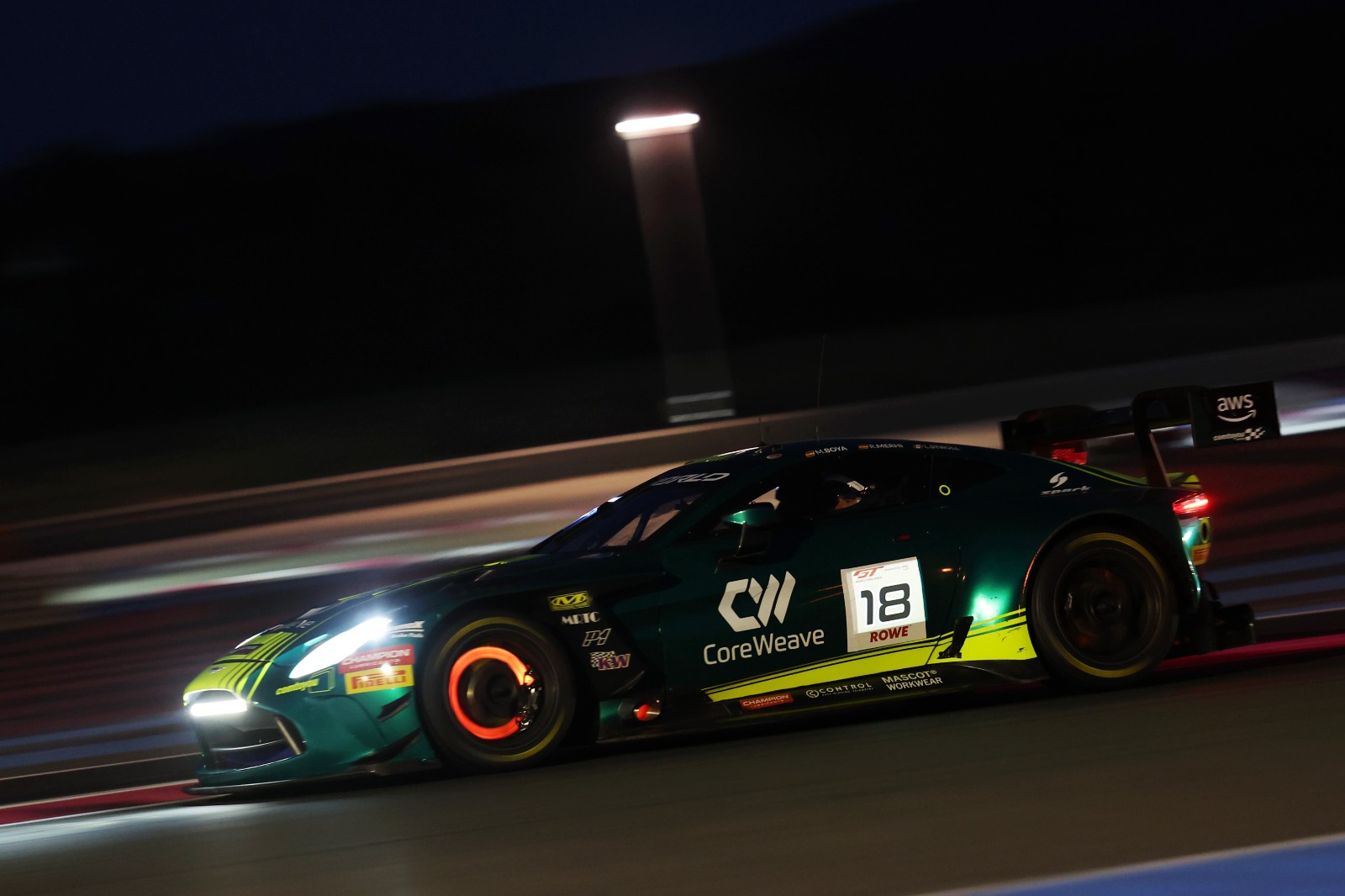
Lance Stroll, the Canadian racing driver known for his stint in Formula 1, made his highly anticipated debut in the GT World Challenge Europe. This event unfolded at the renowned Circuit Paul Ricard, where Stroll found himself behind the wheel of the #18 Comtoyou Racing Aston Martin. However, his debut did not go as smoothly as he had hoped, culminating in a low-key 48th place finish after a series of hurdles and setbacks.
A Pre-Race Aspiration
Stroll’s foray into the GT World Challenge comes at an interesting juncture, as an unexpected gap in the Formula 1 calendar provided him the opportunity to dive into endurance racing. Teaming up with two adept co-drivers—Mari Boya, a rising star in the Aston Martin young driver program, and Roberto Merhi, a former Manor GP driver—Stroll hoped to leverage this opportunity for both experience and skill enhancement.
The Race Unfolds: Dramas from the Start
The six-hour endurance race saw Mari Boya start the event, setting the tone early on. Although he began from a respectable 15th position, Boya faced fierce competition and, unfortunately, fell back out of the top 30. This early setback was a precursor to a challenging day for the #18 crew. Transitioning into the race, Merhi took over the driving responsibilities; however, when he handed over the car to Stroll, they had already slipped to 38th position, with just under two hours remaining.
By the time Stroll got behind the wheel, darkness had begun to descend upon the circuit, adding yet another layer of complexity. Stroll, who was unfamiliar with night racing conditions due to previous technical difficulties that limited his practice, was thrust into a high-pressure scenario. Nevertheless, he showed resilience, recording the eighth-fastest lap of the event by any driver. Yet, the potential for a stronger finish was hampered by a gearbox problem that ultimately led to the team’s retirement from the race shortly before the finish.
Penalties and Pitfalls
The #18 Comtoyou Racing Aston Martin encountered further challenges throughout the race, picking up penalties that further complicated their efforts. Non-compliance with the blue flags, a lack of focus while navigating off-track excursions, and an earlier stop-and-go penalty for Boya due to a collision all contributed to the team’s struggles. The cascade of challenges highlighted the difficulty of endurance racing, where every second—and every mistake—can dramatically impact overall performance.
In stark contrast, another Aston Martin Vantage GT3 Evo from the same team achieved greatness during the event, clinching victory. The #7 entry, driven by accomplished racers Mattia Drudi, Marco Sørensen, and Nicki Thiim, crossed the finish line first, demonstrating the competitive spirit of the Aston Martin racing fraternity and offering a bittersweet perspective on the day for Stroll and his team.
The Post-Race Reflection
While the results may appear disappointing on paper, Stroll’s participation in the GT World Challenge represents an essential step in his racing career, particularly as he seeks to expand his skill set beyond the realms of Formula 1. It’s a sport where adaptability is crucial, and Stroll’s exposure to endurance racing could yield dividends as he continues his professional journey.
Moreover, Stroll’s foray into GT racing showcases the increasing crossover between different tiers of motorsport where skills learned on the track can be transferred and honed. As he navigates through various racing environments, he gains invaluable experience—one that might serve him well for the remainder of his career.
The Bigger Picture: A Growing Involvement in GT Racing
In recent years, GT racing has gained significant traction, attracting both fans and drivers from Formula 1 and other motorsport disciplines. The competitive nature of races like the GT World Challenge Europe challenges drivers to master not only speed but also endurance, teamwork, and strategy—qualities essential for success in any form of motorsport.
Lance Stroll isn’t alone in this journey; fellow Formula 1 driver Max Verstappen was also present as he took on a dual role as team principal for his own team. Verstappen’s squad, fielding Mercedes-powered cars, secured a commendable ninth place overall, illustrating the wealth of talent and expertise present at the event.
Looking Forward: Future prospects
As Stroll reflects on his debut at the Circuit Paul Ricard, he must understand that the road ahead is paved with opportunities for growth. Every setback, whether it’s penalties or technical issues, serves as a valuable learning experience. With his F1 career in mind, honing his craft in GT racing could yield performance improvements, not to mention boost his versatility as a driver.
With another opportunity to race in the upcoming months, including preparations for the Nurburgring 24 Hours alongside Lucas Auer, Stroll has a chance to further develop his racing prowess. Each race is a chance to refine his skills, sharpen his instincts, and learn from the challenges that come his way.
Conclusion
Lance Stroll’s maiden race in the GT World Challenge Europe may not have concluded with the results he aimed for, but the experience gained is undoubtedly vital. Racing is a relentless pursuit where even the most seasoned drivers face obstacles. Furthermore, Stroll’s participation symbolizes a broader trend in motorsport, where the blend of various types of racing continues to evolve, enriching the sport as a whole.
As fans and analysts look towards the future, it’s crucial not to overlook the lessons learned during this debut. The resilience demonstrated by Stroll, combined with the support from his team, will undoubtedly serve as a strong foundation for the exciting challenges that lie ahead in his racing career.