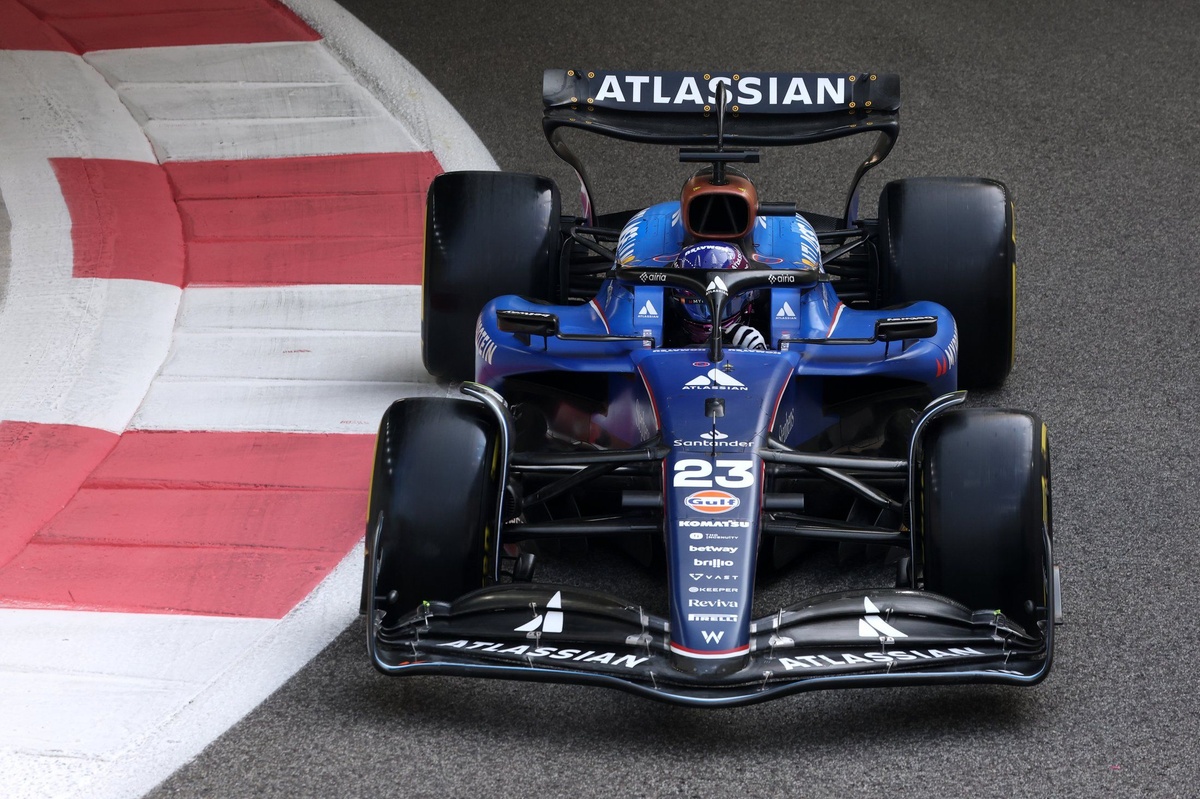
Williams Racing: A Season Under Challenge and the Path Forward
The 2026 Formula 1 season was anticipated to be transformative for Williams Racing. With a strategic overhaul and the promise of substantial long-term investments, expectations were high. However, industry veteran Martin Brundle, a former F1 driver and current analyst for Sky Sports, recently described the team’s slow start to the season as “very concerning.” This statement encapsulates the growing anxiety surrounding the Grove-based outfit as they strive to navigate a competitive racing landscape.
A Promising Vision Meets Harsh Reality
Team Principal James Vowles has articulated a bold vision for Williams, emphasizing a rigorous restructure intended to restore the team’s former glory. This strategy was closely tied to the expectation that 2026 would mark a turning point, allowing Williams to reclaim its position as a formidable contender in Formula 1. However, the team’s on-track performance has so far failed to live up to this ambitious game plan.
The year began on a challenging note when Williams missed out on crucial private testing sessions in Barcelona. This setback put them at a distinct disadvantage leading into the pre-season testing phase in Bahrain. Such missed opportunities are critical for teams to refine their setups and gather essential data, and Williams found itself playing catch-up from the outset.
Early Season Performance: The State of Play
As the season unfolded, it quickly became evident that Williams was struggling to find its footing. With only two points secured from a ninth-place finish by Carlos Sainz during the Chinese Grand Prix, the team languishes in ninth place in the constructors’ championship after three races. This leaves fans and analysts alike concerned about the team’s trajectory and competitiveness.
In a discussion on the Sky Sports F1 Show, Brundle highlighted the cascading effects of Williams’ pre-season difficulties. “They’ve got a Mercedes power unit like Alpine and like Mercedes and McLaren. We know they had crash test issues. We know the car had to then have a lot of extra stuff put on it, basically to pass the test,” he noted. This combination of issues has compounded their struggles, leaving them at a disadvantage compared to their peers.
Technical Challenges and the Cost Cap Conundrum
The technical challenges facing Williams extend beyond mere performance figures. The implications of working under the constraints of a cost cap have made recovery from such setbacks more complicated than in previous years. In the current landscape of relentless competition, teams must operate with both speed and efficiency, and every delay has a cascading effect on development timelines.
Brundle pointed out that the initial weight and weight distribution of the Williams car, combined with a lower center of gravity, play a significant role in its performance. “In today’s cost cap world and relentless racing until right now, it’s hard to recover that situation,” he said. Consequently, Williams finds itself not only battling mechanical inadequacies but also facing a race against time to rectify them.
Despite their struggles, Brundle emphasized the importance of Williams remaining competitive. “We need them up there. We need them charging at the front of the midfield,” he stated passionately. The history, heritage, and iconic status of Williams in Formula 1 compels fans, analysts, and competitors to hope for a resurgence.
A Glimmer of Hope: The Potential for Improvement
While the situation appears grim for Williams, there are still avenues for improvement. The foundation of the team is strong, bolstered by talented drivers and significant backing from partners. Continuous dialogue among team members regarding performance issues and solutions could facilitate critical advancements.
Developing Long-Term Strategies
As Williams emphasizes its long-term strategy, reliable performance in the coming races will be paramount. The path forward will necessitate a multifaceted approach:
-
Technical Overhaul: Continuous refinement of the car, focusing on weight reduction and optimizing aerodynamics, will be essential. Engaging directly with Mercedes for insights and improvements could yield significant benefits.
-
Data-Driven Decisions: Implementing advanced telemetry systems to better analyze data during practice and races will allow the team to make informed decisions quickly, addressing issues on the fly.
-
Driver Development: Investing in driver training and acclimatization to new setups will ensure that both racers maximize their potential and provide critical feedback for future developments.
-
Strengthening Collaboration: Building stronger alliances with technical partners and leveraging the expertise within the team will create a more cohesive unit focused on shared goals.
-
Fan Engagement: Cultivating a passionate fanbase through open communication about the team’s challenges and aspirations can boost morale and support, both financially and emotionally.
Conclusion: The Road Ahead
As Williams Racing continues through the challenging 2026 season, the spotlight remains firmly on them. While their performance has not lived up to expectations thus far, a combination of strategic oversight, technical refinement, and strong leadership offers the promise of a brighter future. The Formula 1 community and fans alike are rooting for their success, hopeful that Williams can rise to the occasion, reclaim its status, and once again become a name that competes at the forefront of motorsport. In an era where the competition is fiercer than ever, the journey for Williams Racing has only just begun.