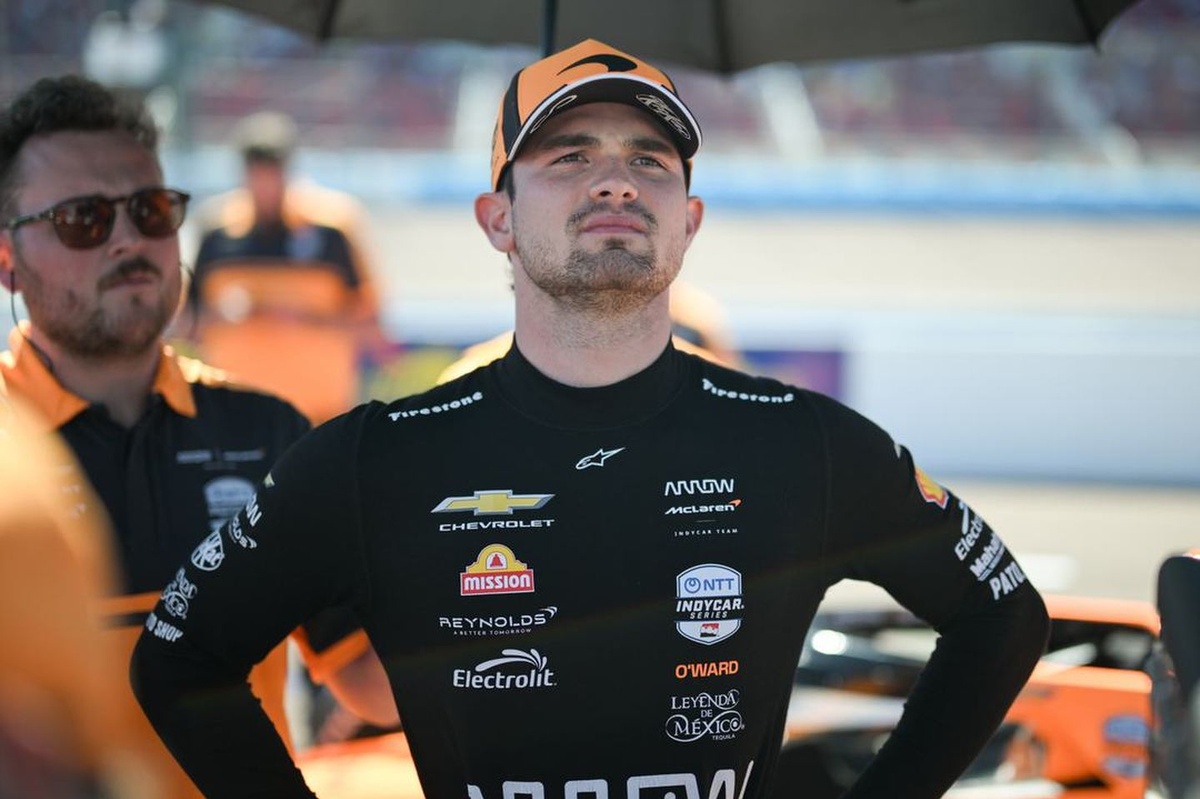
Pato O’Ward: Reflections on Ambitions and the Changing Landscape of Formula 1
Two years have passed since Pato O’Ward last hinted at his aspirations for Formula 1. Now, at 26 years old, and having solidified his status as a key competitor in the IndyCar series with Arrow McLaren, O’Ward finds himself at a crossroads. With the deadline he once set for pursuing his F1 dreams long gone, his perspective has shifted. In a candid interview with FOX Deportes ahead of the Long Beach race, O’Ward expressed a growing disinterest in Formula 1, particularly in light of the series’ latest technological advancements and regulations.
The Evolution of Aspirations
When asked whether reaching Formula 1 still remains a dream for him, O’Ward candidly responded, “Every year it has changed more… honestly, the new Formula 1 cars—what the series has done has been a mistake. The truth is, when you look at them, they are artificial.” His remarks reflect a broader sentiment among racing enthusiasts who yearn for the raw, unfiltered essence of motorsport. Pato’s yearning for authenticity contrasts sharply with the modern F1 landscape where technology often supersedes driving skill.
Critique of Modern Racing Technology
O’Ward’s critique extends beyond mere aesthetics; it centers on the very fabric of what racing means to him. He reminisces about the thrill of driving powerful machines, a sentiment he feels has been lost amid the influx of technology that now dominates the sport. The desire to race at the limits of a car’s capabilities, to showcase skill through precise braking and cornering, has given way to systems and electronic aids designed to facilitate overtaking—elements he equates to a video game rather than true racing.
“I don’t want to be flipping a switch to say, ‘Oh, I’m going to press it to pass him artificially.’ It’s not Mario Kart; we’re racing here,” O’Ward emphasized, underlining his belief that the heart of racing should lie in driver skill rather than reliance on technological manipulation.
IndyCar: A Return to Authentic Racing
As O’Ward’s frustration with Formula 1 mounts, his appreciation for IndyCar has only grown. He describes the American racing series as the perfect environment for drivers who seek a genuine racing experience. “I feel that right now, today, this is the best series for a driver who wants to race—here, in IndyCar… Formula 1 right now is an artificial show, and honestly, I have zero desire for it; it doesn’t grab my attention,” he pointedly remarked.
In IndyCar, O’Ward finds the opportunity to race in an environment that prioritizes driving skill over electronic enhancements. Unlike in F1, where elaborate systems manage everything from lap times to fuel efficiency, IndyCar retains a focus on driver control and competitive spirit. For O’Ward, this emphasis is crucial, and it aligns with his philosophy of racing as a test of human skill and endurance.
The Impact of Technology on Racing Culture
O’Ward’s opinions on the evolution of Formula 1 present a vital conversation about the role of technology in sports. In an era where fans crave faster cars and more spectacular visuals, the sport arguably risks losing what made it captivating in the first place. The introduction of complex electronics, hybrid systems, and extensive regulations may produce faster lap times, but at what cost? As O’Ward suggests, the sport can appear increasingly artificial, distancing itself from the visceral excitement that defines motorsport.
Moreover, there is an ongoing debate within the racing community about the balance between progress and authenticity. While technology undoubtedly enhances safety and efficiency, it can also create a barrier that separates the driver from the machine, leading to a more passive form of participation.
Looking to the Future
As O’Ward continues to thrive in IndyCar, the question remains whether his perspective on Formula 1 will change again. The landscape of motorsport is continuously shifting, with potential new regulations and technological advancements on the horizon that may reinvigorate interest among drivers and fans alike. For now, though, O’Ward appears content with his decision to focus on the American racing series, a choice that allows him to engage in what he loves most: pure racing.
Ultimately, O’Ward serves as a reminder of the diverse philosophies within the racing world. His acknowledgment of IndyCar as a platform for authentic racing showcases a longing among many competitors for environments that prioritize skill over technology. With drivers like O’Ward at the forefront, IndyCar may strengthen its position as a bastion of traditional motor racing as other series grapple with the impact of modernization.
As motorsport enthusiasts eagerly anticipate the next chapters in both IndyCar and Formula 1, O’Ward’s candid reflections provide a compelling perspective on the future of racing. The balance between tradition and innovation will undoubtedly continue to evolve, yet the essence of what makes racing exciting—the thrill of competition, the challenge of mastering a machine—remains timeless. Pato O’Ward’s story is one of passion, authenticity, and a steadfast commitment to the thrill of the race.