MotoGP Brazilian Grand Prix: A Weekend of Controversy and Concerns
The Brazilian Grand Prix, a thrilling spectacle for motorsport enthusiasts, turned out to be marked by significant challenges and controversies. Following a series of disruptions stemming from a sinkhole in the track, the event faced additional complications on race day, leading to unprecedented reactions from the riders involved. Key figures such as Alex Rins and Alex Marquez voiced their concerns regarding the racing conditions, deeming them “unacceptable.”
Track Issues Affecting Performance
The weekend’s woes began with the troublesome track conditions that plagued the Goiania circuit. Prior to the Grand Prix, the presence of a sinkhole forced adjustments, leading to a chaotic build-up. On race day, just five minutes before the race was scheduled to commence, officials announced a reduction in the race distance by eight laps. This drastic decision was attributed to “track degradation,” as noted by MotoGP’s official tire supplier, Michelin, who reported concerns about the surface breaking down, particularly at Turn 11 after the Moto2 and Moto3 races.
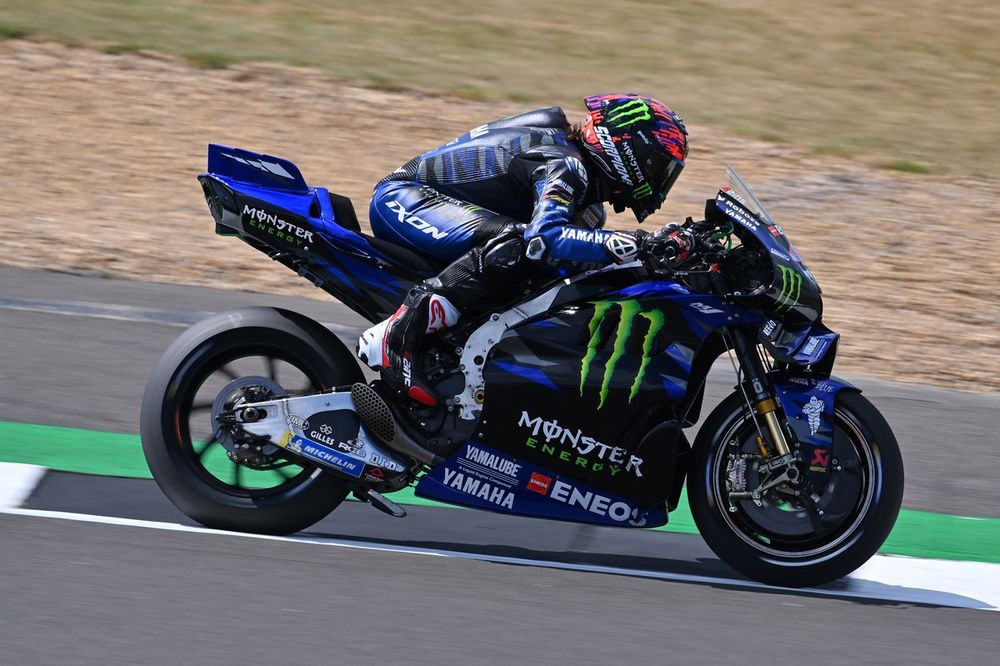
Rins, representing Yamaha, revealed that the track’s poor condition significantly impacted his performance. He recounted a painful experience where a piece of broken asphalt struck his finger during the first lap, highlighting the danger posed by the track’s deterioration. “What I felt is a really, really low grip,” he explained, attributing the lack of traction to the residue left from the Moto2 races. “You can see my finger; it wasn’t a small hit,” he emphasized, indicating just how serious the conditions had become.
Further Complaints About Conditions
Marquez, racing for Gresini, provided a voice of dissent by characterizing the race conditions as outright “unacceptable.” He expressed lingering discomfort and uncertainty surrounding the track’s reliability. “It was really strange, with fewer laps and not easy conditions,” he stated, adding that “between corners 10 and 11, all the asphalt was peeling away, with stones flying—more like motocross than a speed race.”
Marquez, like Rins, expressed concerns about safety, particularly regarding the debris stirred up by fellow riders. He played a pivotal role in addressing these issues during the race weekend, attempting to communicate with Gresini’s sporting director about delaying the race. Despite these efforts, the start proceeded without further delay, resulting in additional questions about the organization and management of the event.
Consequences on Race Dynamics
The track issues not only posed risks for the riders but also impacted race dynamics significantly. Marc Marquez of Ducati found himself in an unexpected predicament, losing third place to Fabio di Giannantonio from VR46 following a critical mistake at Turn 11, another hotspot for track degradation. This incident underscored how deeply the conditions affected not just individual performance but also the competitive landscape of the race itself.
A Call for Improvements
The narratives from the riders during the Brazilian Grand Prix serve as a clarion call for improved track conditions and preparation ahead of future events. Gresini’s Alex Marquez noted that with the varying conditions experienced throughout the weekend, it was evident that much work needs to be undertaken to ensure safety and performance standards align with professional expectations. Riders unanimously agreed on the necessity of maintaining a safe racing environment, advocating for robust reviews of tracks used in future MotoGP events.
Such calls echo the sentiments raised across the paddock, where safety remains paramount in a sport known for its high-speed collisions and risks. As race organizers evaluate the challenges posed during the Brazilian Grand Prix, the dialogue initiated by the riders could pave the way for vital changes moving forward.
Conclusion: Learning from Challenges
As the dust settles on a tumultuous weekend in Brazil, one thing becomes clear: the MotoGP community must grapple with the complexities of racing on challenged circuits while prioritizing rider safety above all. The memories of this Brazilian Grand Prix will extend beyond mere results; they will serve as a reminder of the challenges inherent in the sport and the collective responsibility of teams, organizers, and governing bodies to enact real change. Moving forward, it is imperative that the lessons learned here lead to enhancements in track management, ensuring a safer and more competitive environment for all participants as MotoGP continues to thrill audiences worldwide.