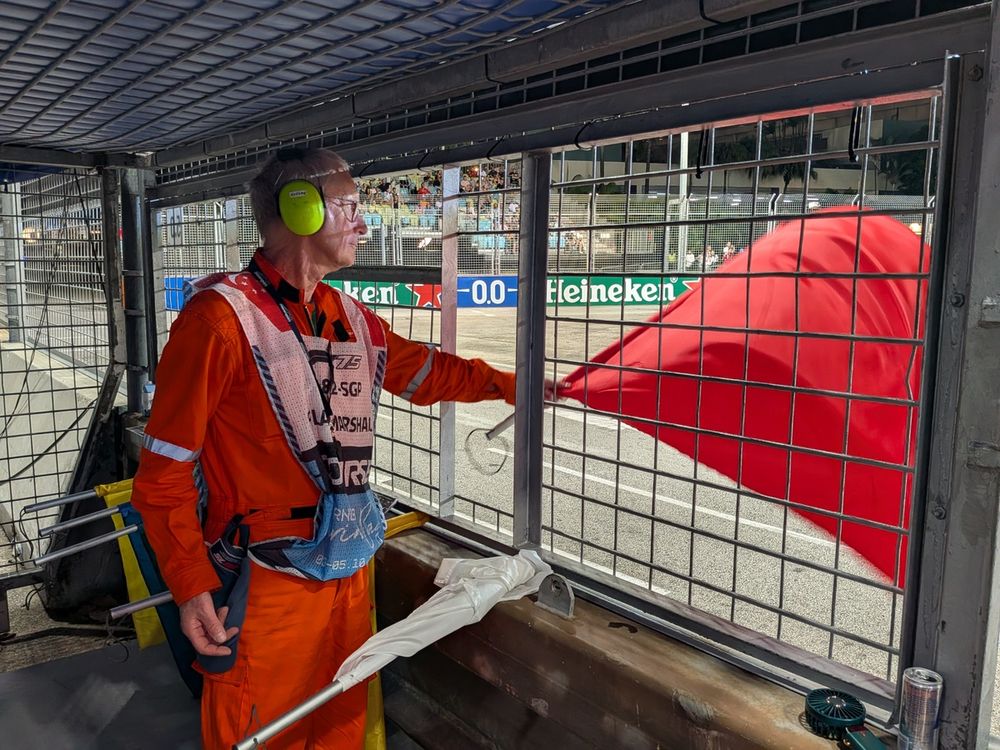
The Unsung Heroes of Formula 1: The Vital Role of Volunteers
Formula 1, the pinnacle of motorsport, is characterized not just by its speed and technology, but by the remarkable dedication of an often-overlooked group: the volunteers. According to a groundbreaking study commissioned by the FIA (Fédération Internationale de l’Automobile), more than 20,000 volunteers are required each year to successfully organize the 24 Grand Prix weekends that make up the F1 calendar. This translates to an average of 838 committed individuals needed for each event.
Motor racing worldwide is heavily reliant on volunteers who ensure the safe and efficient running of events, spanning from grassroots competitions to world championships. The recent report by the FIA University serves to illuminate both the needs and the impact of this invaluable volunteering corps, while also offering recommendations for future improvements.
The Backbone of Formula 1 Events
Organizing a Formula 1 Grand Prix is a complex endeavor, and the figures from the FIA’s report highlight the sheer scale of effort required. Each Grand Prix relies on an average of 838 volunteers, primarily marshals, resulting in an impressive 20,112 strong workforce over an entire season. These volunteers typically contribute around 48 hours of work during each race weekend, resulting in a staggering total of 965,376 hours annually. Notably, two-thirds of these dedicated individuals sacrifice their personal time by taking annual leave or unpaid holidays to support the event.
The financial implications underscore the significance of this volunteer system as well. The cost associated with training and recruiting volunteers stands at around 11.1 million euros per year, while the estimated labor value reaches 13.2 million euros. These figures provide a concrete understanding of just how critical these volunteers are to the functioning of F1.
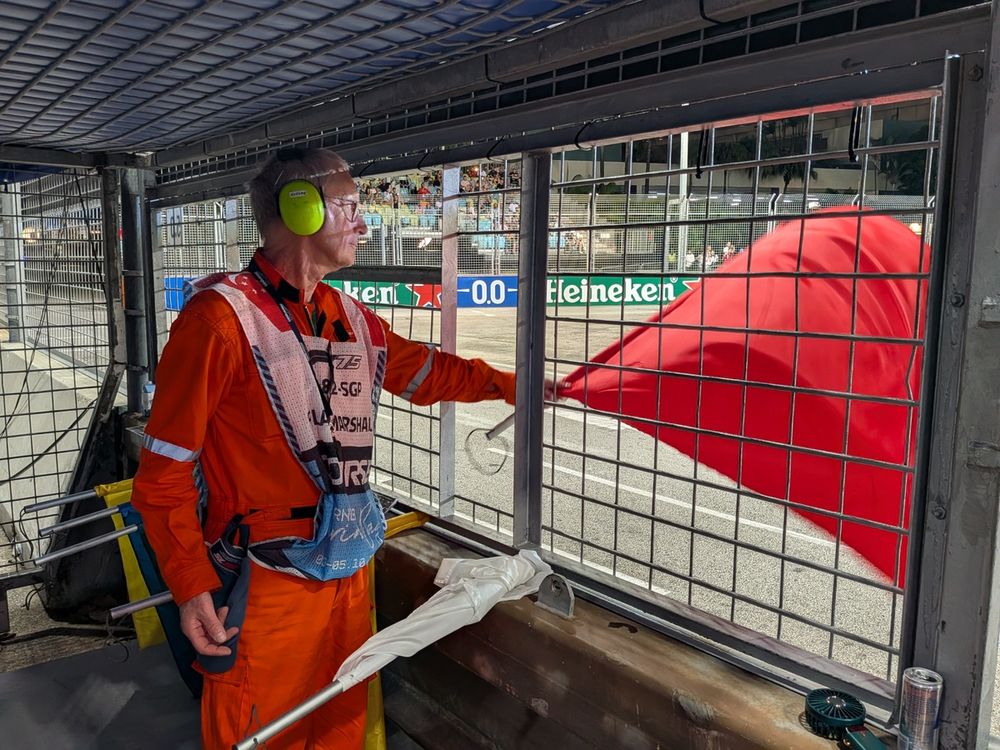
Photo by: Filip Cleeren
The Need for Evolution in Volunteer Management
With the workload for volunteers increasing by an estimated 20%, the FIA is keen on expanding its pool of volunteers while providing better support for those already involved. Within F1, there is a growing push towards professionalizing roles such as race control and stewarding to ensure consistency in decision-making. A new Concorde Governance Agreement, signed at the end of the previous season, is expected to bring additional resources to enhance officiating capabilities.
The report suggests several steps to improve the volunteer experience, including appointing a welfare officer to oversee volunteer well-being, investing in modern research and technology, and adhering to a systematic and professional model of management for volunteers. Such changes promise to enhance the overall volunteer experience and efficacy at events.
Training and Development: Building Future Officials
In response to the findings, the FIA has initiated measures to standardize and centralize the training of officials across different events. This effort aims to maintain high standards across member clubs and events. The establishment of a high-performance program intends to train the next generation of stewards and race directors, providing opportunities for promising volunteers to move into important roles within the sport.
Notably, the first class of six stewards has already transitioned into FIA-sanctioned championships, with plans to deploy three race directors from this program by 2026. Furthermore, the report endorses the FIA’s initiative to establish a center of excellence dedicated to training officials, which reinforces the future supply of capable officials for motorsport events.
Volunteer Retention: The Heart of the Community
One of the more positive findings from the report is that a significant number of volunteers remain committed for at least five years. The camaraderie, training opportunities, and personal growth experiences motivated many to stay involved in the sport, despite the personal costs associated with their participation. It’s this sense of community and passion that not only keeps the wheels of Formula 1 turning but also fosters new generations of motorsport enthusiasts.
F1 race director Rui Marques shared his personal journey of starting as a marshal at age 18, emphasizing the familial bonds formed within the community: “What I found is a family, wherever you go around the world. It’s all about the passion for the sport. We have colleagues in race control who still volunteer as marshals when they have time.”
Embracing the Next Generation
The demographic of the volunteer pool has shown promising signs of rejuvenation, with younger individuals increasingly becoming involved in marshalling roles. This trend aligns with the wider visibility of F1, particularly following the popular Netflix series Drive to Survive, which has introduced the thrilling world of motorsport to new audiences. Marques noted the transition toward a younger crowd: “Yes, in Europe the age of the volunteers was getting higher and higher…But we can now see more younger people arriving, which is really good.”
The integration of younger volunteers is crucial for the sport, ensuring a fresh influx of ideas and energy while preserving the legacy and knowledge passed down by veteran officials.
Conclusion: A Bright Future for Volunteers in Formula 1
As the FIA and Formula 1 look toward the future, the focus on volunteers remains more critical than ever. The recently commissioned report acts as a catalyst for change, advocating for better support, training, and management of those who form the backbone of every Grand Prix. The love for motorsport, camaraderie among peers, and the pursuit of excellence ensures that these unsung heroes not only keep the sport alive but help it flourish.
In conclusion, the essence of motorsport is captured through the dedication and passion of volunteers. As Formula 1 continues to evolve, it is paramount that the contributions of these individuals are recognized and valued, solidifying their position as the true lifeblood of the sport.