New Safety Concerns Emerge Following Oliver Bearman’s Crash at the Japanese Grand Prix
The adrenaline-fueled environment of Formula 1 racing often thrives on high speeds and fierce competition; however, recent events at the Japanese Grand Prix have cast a spotlight on the repercussions of technological advancements and racing mechanics. During the race, a harrowing incident involved Haas driver Oliver Bearman, whose crash has ignited crucial discussions about the safety implications of recent technical regulations.
The Incident
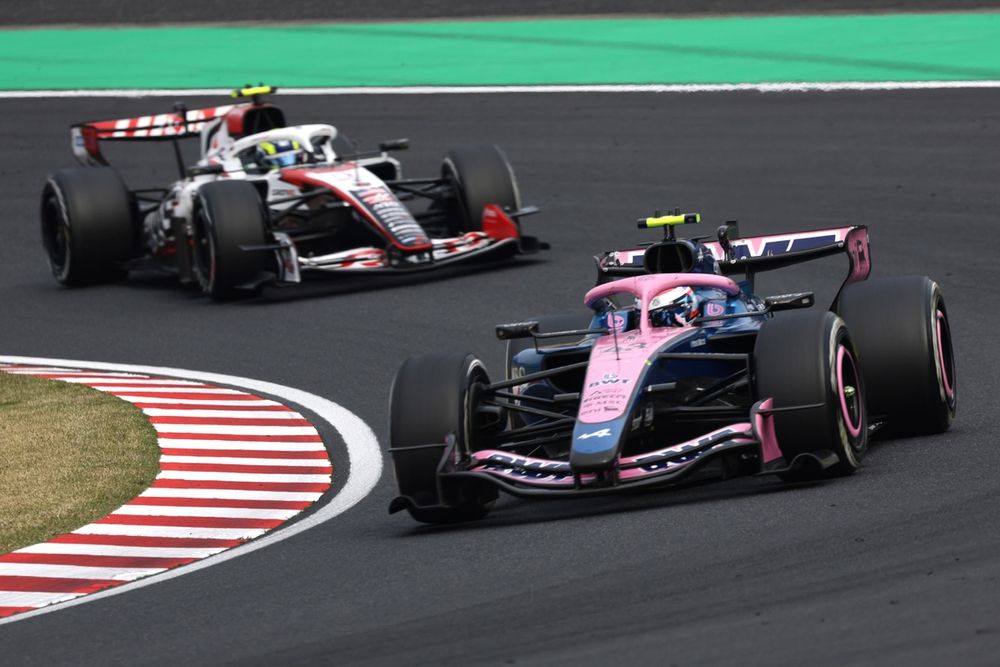
On the 21st lap, Bearman found himself in a tight battle with fellow racer Franco Colapinto. As they approached the Spoon corner, a sudden and drastic change in electrical energy deployment caused a dramatic difference in their closing speeds. Bearman’s vehicle recorded a staggering closing speed of 45 km/h as he attempted to avoid a collision. The series of events culminated in Bearman swerving onto the grass at high speed and subsequently crashing into the barriers with an estimated impact of 50G.
Such intensity in racing, combined with the frailties of the energy management systems, underscores an urgent need for stringent reviews of safety measures within Formula 1. The fact that Bearman was not only navigating a high-speed race but also managing unexpected changes in performance dynamics raises alarm bells for drivers and teams alike.
Drivers’ Reactions and Concerns
In the wake of the crash, numerous drivers articulated a collective fear about the growing disparity in closing speeds resulting from the energy deployment strategies introduced by the new regulations. Carlos Sainz, a director of the Grand Prix Drivers’ Association, expressed his frustration succinctly: “There were a lot of big moments there in the first three laps while we were all sorting out our energies … it was only a matter of time before a significant crash occurred.” The comments underline a recurring theme — a heightened vulnerability created by the very advancements that are meant to enhance competition.
Sainz’s sentiments reflect a broader sentiment among drivers, as they have repeatedly cautioned the FIA and Formula 1 management about the risks associated with disparate energy deployment timings among competing cars. “These kind of closing speeds and accidents were always going to happen, and I’m not very happy with what we’ve had up until now,” Sainz asserted. “Hopefully, we can devise a solution that addresses these massive closing speeds, affording a safer racing environment.”
Revisiting Regulations: A Call for Change
Given the gravity of these incidents, the need for a revision of the energy-management regime is not merely a topic of discussion but rather an urgent necessity. The FIA’s announcement of their intention to conduct thorough reviews highlights an acknowledgment of the potential hazards imposed by the newly adopted technical regulations.
Before even setting foot on the tarmac, a previously established consensus from teams, drivers, and power unit manufacturers advocated for an ongoing evaluation of the regulations based on real-world data. The aim is to foster improvements while ensuring excitement and safety in racing.
Focus Areas for Improvement
Observations made during testing phases led to a broad understanding that the nuances of energy management played a pivotal role in competitive performance. It’s essential to note that while these regulations aim to generate an exhilarating spectacle on track, the moment-to-moment dynamics can lead to perilous situations, particularly when drivers are using energy in varied capacities.
Immediate discussions surrounding the 2026 regulations should center around developing and implementing protocols that could mitigate the risk of sudden speed variations during pivotal moments within races. These recommendations extend from prioritizing safety protocols that obligate teams to maintain more synchronized energy levels to adapt better to dynamic race conditions.
Teams, drivers, and the governing bodies must collectively prioritize constructing a safer framework to avoid repeating accidents similar to Bearman’s.
Conclusion
The incident involving Oliver Bearman serves as a critical reminder of the delicate balance between technology, speed, and safety in Formula 1. As the sport continues to innovate, the need for safety must remain paramount. The call for change is not merely a reaction to recent events but a proactive step toward ensuring that the thrill of racing does not come at the expense of the drivers’ safety. The discussions that follow will undoubtedly shape the future of Formula 1 for the better, as stakeholders work towards a safer racing environment while continuing to deliver exhilarating competition on the track.