Japanese Grand Prix Highlights: Kimi Antonelli’s Impressive Victory and Notable Incidents
The recent Japanese Grand Prix, held at the iconic Suzuka circuit, was a thrilling spectacle that showcased the intense competition and dramatic moments synonymous with Formula 1 racing. With Kimi Antonelli clinching a remarkable victory, the race was not only significant due to the podium finish but also for the unsettling incidents that unfolded during the event.
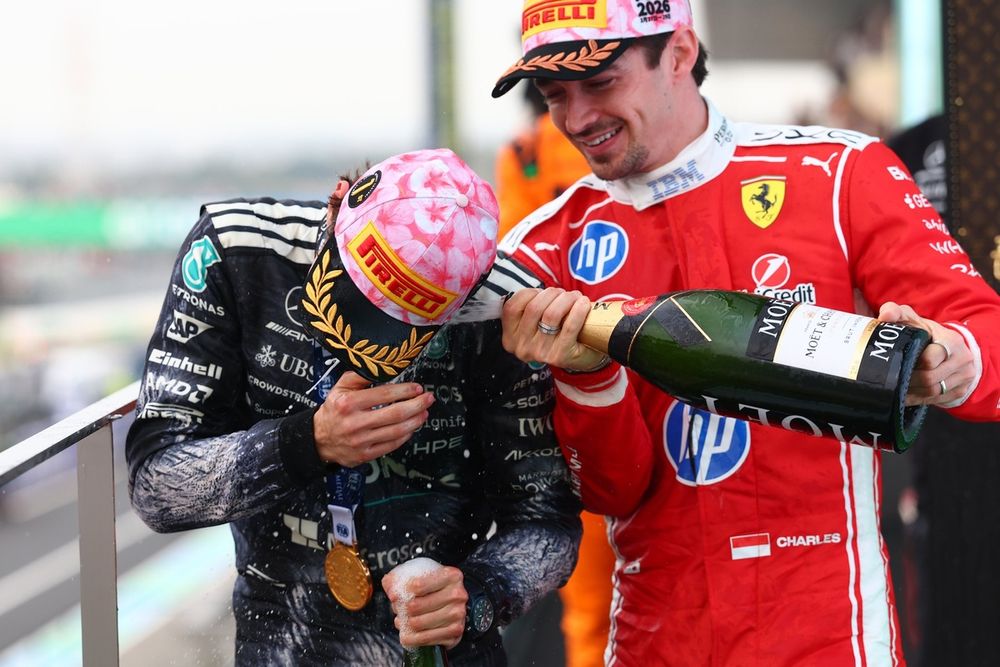
Kimi Antonelli’s triumph was a well-deserved recognition of his exceptional talent and racing prowess. Racing alongside seasoned competitors like Charles Leclerc and Oscar Piastri, Antonelli managed to display a combination of speed, strategy, and composure that left fans in awe. As the podium sitters settled into the cooldown room, the atmosphere was charged with emotions—joy from Antonelli’s success, camaraderie amongst peers, and relief following a terrifying crash that overshadowed the day.
The aftermath of Ollie Bearman’s frightening collision with the barriers became a topic of discussion among the competitors. It appeared that Bearman attempted to avoid a slower Franco Colapinto, resulting in a devastating impact that recorded an astonishing 50G shunt. Fortunately, Bearman emerged from the wreckage unharmed, allowing the podium contenders to express their relief and amusement at the situation.
Australian driver Oscar Piastri turned a tense moment into a light-hearted exchange, referencing a comment made by Leclerc earlier in the season. “I finally see what you mean about the mushroom,” Piastri teased, alluding to Leclerc’s earlier quip comparing the hybrid systems introduced in the 2026 regulations to power-ups in the popular Nintendo game, Mario Kart. This seemingly innocuous moment reflects how humor and camaraderie can thrive even amidst perilous situations.
Piastri’s jest was a nod to the intricate dynamics of modern Formula 1 racing, particularly as technology evolves. Leclerc voiced his frustration about the intricacies of the new regulations during the Australian Grand Prix earlier this season, describing the “boost mode” as similar to a Mario Kart acceleration power-up. This notion, amusing to many fans and participants, highlights the intersection of gaming culture with the high-stakes world of motorsport.
Max Verstappen, a frequent critic of the ongoing regulatory changes, chimed in as well. He humorously noted his struggles with the hybrid systems, likening the experience to navigating a Mario game, where misfortunes like being hit by blue shells can turn the tide unexpectedly. Such references illustrate the culture of F1 drivers engaging with fans beyond the track, humanizing them while exposing the lighter side of their competitive lives.
Verstappen’s performance in this race proved challenging as he faced difficulties stemming from the limitations of the current powertrains. This led to him being overtaken by Pierre Gasly from Alpine, a moment that added to the overall unpredictability of the race. The FIA plans to deliberate on these powertrains during the five-week break leading up to the next race in Miami, indicating that the powers governing the sport are aware of the ongoing challenges and concerns raised by drivers.
Visual Recap of the Japanese Grand Prix
As the race concluded, stunning visuals from the event captured the essence of the day. Among the highlights were dramatic shots of Antonelli celebrating on the podium, along with images capturing the camaraderie and intensity that characterizes Formula 1 racing. Each photograph told a story— from drivers celebrating their success to the moments of tension as they navigated the track’s challenging layout.
The gallery of photos includes not just the racing action but also glimpses into the behind-the-scenes atmosphere within the teams. Personalities like Lewis Hamilton and Fernando Alonso were seen on the grid showcasing their trademark styles, while fans cheered passionately, embodying the electric atmosphere that surrounds Formula 1 events globally.
Conclusion: The Enduring Legacy of Suzuka
The Japanese Grand Prix remains a cornerstone of the Formula 1 calendar, with Suzuka’s legendary figure-eight configuration providing an unforgettable backdrop for rivalry and heroics alike. This race served as a reminder of the delicate balance between competition, innovation, and the safety of drivers which defines the current era of racing.
The engaging narratives emerging from this grand prix, complemented by witty exchanges among the drivers, keep fans invested and excited for what lies ahead. As the sport continues to evolve, it is moments like these—where humor finds its place amid high-stakes competition—that resonate most with Formula 1 audiences worldwide.
Looking ahead, while the racing only briefly pauses in Miami, fans can anticipate further riveting episodes as the season unfolds, complete with the unpredictable twists and turns that keep everyone on the edge of their seats. As revolution continues in technology and regulations, and as we meet new talents, one thing remains certain: the passion for speed and competition will never fade in this prestigious motorsport arena.